
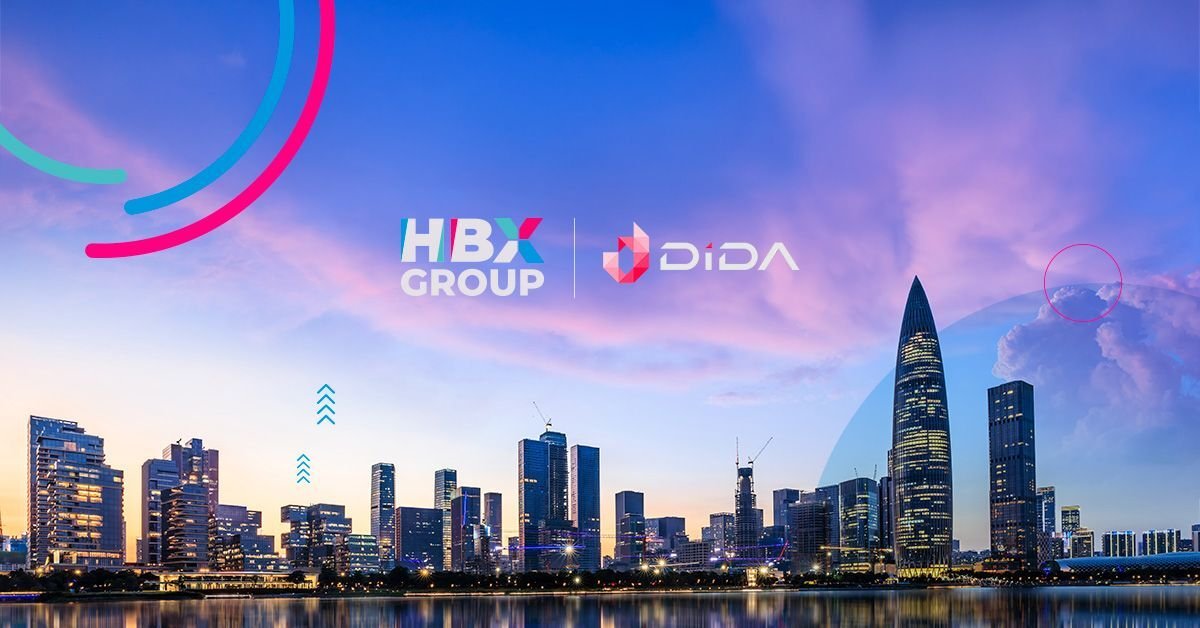
HBX Group has announced a seven-year strategic partnership with China-based Dida Holdings, marking a long-term collaboration aimed at expanding global travel distribution through advanced technology and AI-powered demand channels.
The agreement will integrate HBX Group’s global accommodation inventory into Dida’s distribution ecosystem, giving the Chinese travel technology company broader access to international hotel supply. In return, HBX Group will benefit from stronger exposure to one of the world’s fastest-growing outbound travel markets.
Dida operates a mobile-first platform supported by artificial intelligence and data-driven recommendation systems. By connecting HBX Group’s content to these capabilities, the partnership is expected to improve product visibility, personalization, and booking conversion across Dida’s network.
For HBX Group, the collaboration strengthens its position in Asia and enhances its ability to capture demand from China and the wider Asia-Pacific region. For Dida, access to a deeper and more diverse global inventory will allow the company to expand its international offering and improve content quality for its distribution partners.
Beyond inventory distribution, the two companies also plan to explore joint innovation in areas such as fintech and cross-border payment solutions. The partnership will support the development of more efficient transaction processes and localized technology solutions designed to meet the specific needs of regional markets.
The long-term nature of the agreement reflects a growing trend in the travel industry, where distribution players are moving toward deeper technology partnerships rather than short-term content integrations. As travel retailing becomes more automated and data-driven, long-term infrastructure collaboration is emerging as a key competitive advantage.
The deal also highlights the increasing role of AI in travel distribution. From content optimization to personalized recommendations and automated decision-making, artificial intelligence is becoming central to how travel products are discovered and sold.
For the broader industry, the partnership reinforces the strategic importance of China as a major source market for global travel suppliers. It also signals the direction of the distribution landscape, where scale, technology integration, and access to high-growth demand markets will define competitive positioning.
For travel businesses in emerging markets, including Africa, the development points to a future where participation in global, AI-enabled distribution ecosystems will be essential to remain visible and competitive in an increasingly automated travel marketplace.