
For years, the front door to travel was search.
Travelers opened a browser, compared options across multiple platforms, and chose where to book. Airlines competed for display. Hotels competed for ranking. Online agencies competed for traffic.
Artificial intelligence is beginning to close that door.
As conversational assistants become capable of planning trips, evaluating options, and completing transactions, the starting point of travel is moving from search to conversation. And that change raises a critical strategic question: if AI becomes the primary interface, who owns the customer relationship?
The End of the Comparison Journey
Traditional distribution was built around comparison. Visibility determined performance. The more options a traveler saw, the more competition shaped the outcome.
AI changes the decision model.
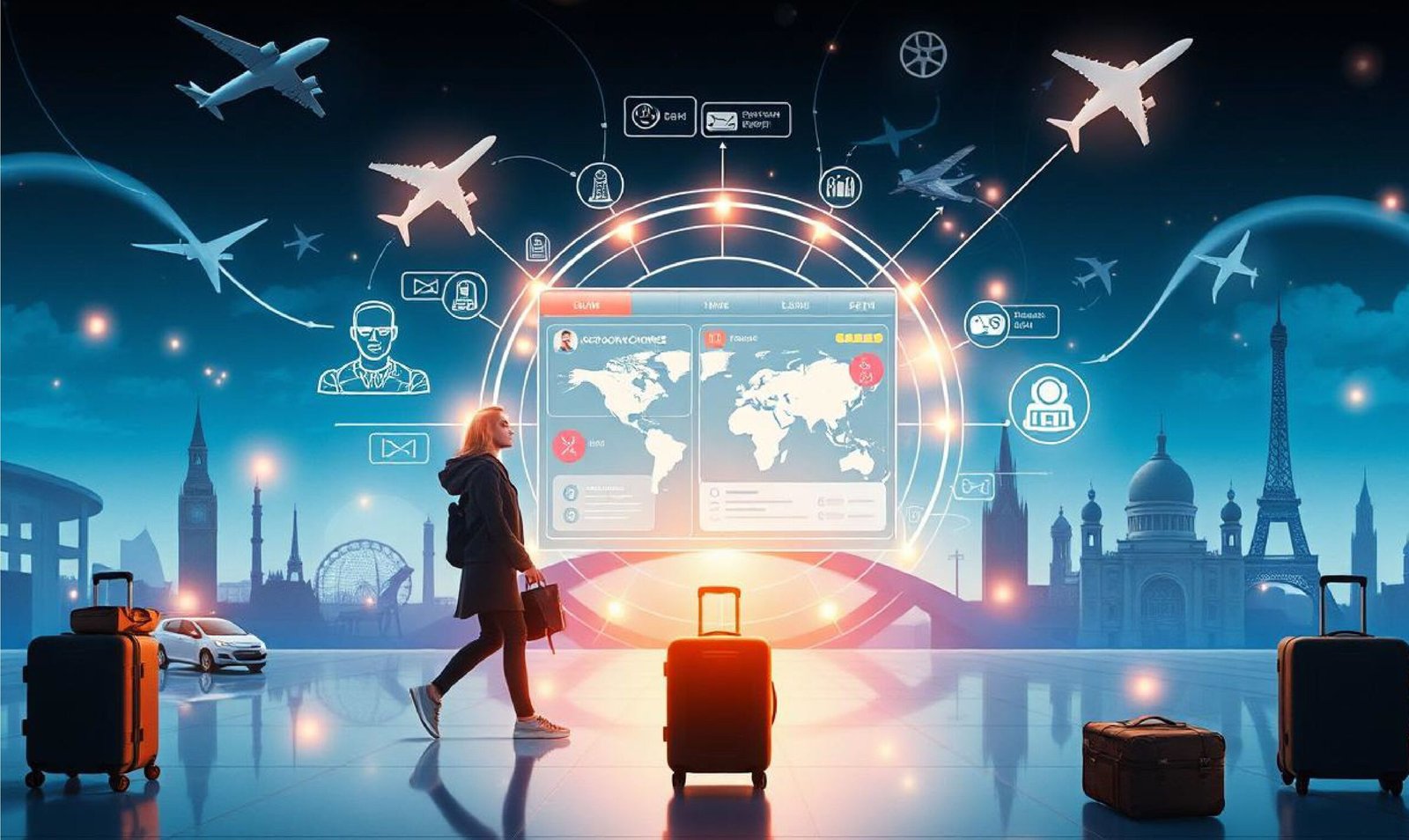
Instead of browsing ten websites, a traveler asks a single request: plan my trip to Dubai, find the best flight within my budget, recommend a hotel near my meeting. The assistant interprets the intent, filters the market, and returns a short list or a single recommendation.
Choice is no longer explored. It is delegated.
And the traveler rarely sees what was excluded.
Visibility Becomes Algorithmic
The travel industry has experienced multiple waves of intermediation, from global distribution systems to online travel agencies and metasearch platforms. Each added another gateway between suppliers and customers.
AI represents a more powerful gatekeeper.
It does not simply display inventory. It prioritizes, filters, and decides based on data, preferences, commercial logic, and historical behavior. In this environment, brand strength alone is less influential. Traditional marketing becomes less visible. Performance depends on how the algorithm evaluates relevance.
The key question for suppliers is no longer “How do we rank higher?” but “How does the AI evaluate our offer?”
The Real Strategic Prize
This is why major technology companies, travel platforms, and corporate travel providers are investing heavily in AI assistants. The conversational interface is becoming the new control position in distribution.
Whoever manages the traveler’s identity, payment credentials, loyalty data, and trip history gains a structural advantage. The assistant that understands the traveler best is likely to become the default decision environment. Once planning moves into a single ecosystem, switching becomes less frequent.
The prize is not the booking.
The prize is demand ownership.
Implications Across the Industry
For airlines and hotels, AI-driven distribution increases the importance of structured content, real-time pricing, and dynamic offer creation. Products that cannot be easily interpreted by machines risk being ignored entirely.
For intermediaries, the challenge is strategic. Aggregation alone may no longer be enough if travelers never visit a booking interface. Platforms that do not participate in the conversational experience risk becoming background infrastructure rather than customer destinations.
Technology providers are already repositioning around retailing, orchestration, and AI-ready content — capabilities designed for machine decision environments rather than human browsing.
The New Competitive Reality
For years, distribution strategy focused on acquiring traffic through search optimization, digital marketing, and brand visibility.
AI changes the economics.
The competition for customers is becoming a competition for algorithmic preference. Data quality, personalization, and commercial relationships that influence recommendation logic may matter more than advertising exposure.
A Concentration of Influence
The long-term impact of AI in travel will not be determined by whether travelers adopt conversational planning. That transition is already underway.
The more important question is which companies control the intelligence that interprets demand and turns it into bookings.
If AI assistants become the primary gateway to travel, influence will concentrate around those who control the interface, the data, and the decision logic.
In that world, distribution power will belong to the companies chosen by the algorithm and trusted by the traveler behind it.