

Building airline retailing infrastructure has long been one of the highest technical barriers in travel technology. Atlas has just lowered that barrier.
The company announced this month that it is opening its airline retailing infrastructure beyond its traditional enterprise customer base. Independent travel sellers, start-ups, developers, and AI-native travel companies can now access the same direct-connect API infrastructure that previously required enterprise-level technical resources to integrate.
The practical shift is narrow but significant. Atlas connects to more than 140 low-cost carriers, handling direct connectivity, ancillary retailing, booking fulfilment, and servicing behind a single API layer. Until now, plugging into that layer at scale meant a travel seller needed the engineering capacity to build and maintain dozens of individual airline integrations, each with its own quirks, rate limits, and content structure. Atlas has now wrapped that infrastructure in a self-service onboarding process with tiered plans, according to the company’s announcement.
“Every time we lower the barrier to selling travel, we lower the barrier to experiencing it,” said Mary Li, Chief Executive Officer of Atlas. “More sellers mean more ideas, more innovation and more opportunities for travellers.”
Why this matters beyond the press release
The interesting part of this announcement is not the infrastructure itself. It is who Atlas says has been asking for it. The company points to a year of growing demand from AI-native businesses, independent developers, and start-ups wanting to embed flight retailing directly into new products and customer experiences, not just traditional OTAs. Atlas’s own materials frame this explicitly around AI agents and copilots needing machine-readable flight content, not just human-facing booking interfaces.
That distinction matters for two reasons.
First, it is a live data point in the broader debate around whether AI agents and LLM-native travel products will bypass legacy distribution channels entirely, or whether they will simply become a new front end sitting on existing infrastructure. Atlas’s move suggests the latter, at least for LCC content. A concrete example: WINGIE Enuygun Group, a MENA-region travel marketplace operating wingie.com and enuygun.com, went live on the Atlas Flight API in June, gaining access to more than 140 LCCs including 80 direct airline integrations through a single connection. WINGIE describes itself as an AI-native marketplace with AI embedded across search, booking, and refund automation, plus its own MCP server integration. That is precisely the kind of company Atlas says it built the self-service platform for.
Second, it lowers the technical floor for smaller regional aggregators and travel technology companies, including those operating in markets where LCC penetration is growing fastest but engineering budgets are thinnest. Building and maintaining direct LCC integrations required a similar level of engineering investment whether the seller was a global OTA or a small start-up. That cost structure is what has kept LCC retailing infrastructure concentrated among a small number of well-capitalised players. Self-service access does not eliminate that gap, but it narrows it.
The pattern behind the announcement
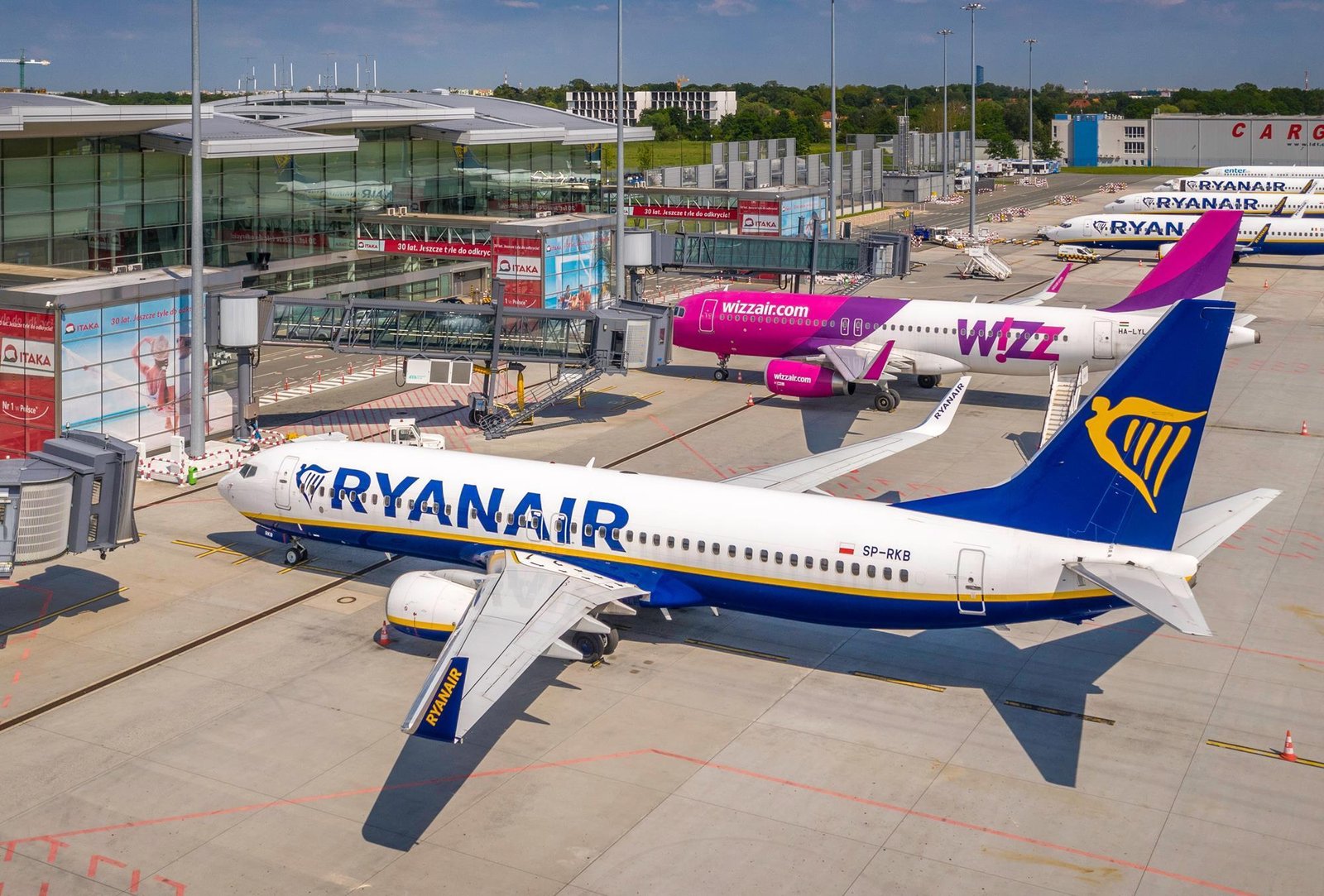
This is not Atlas’s first move to widen its distribution footprint, though the timeline is worth being precise about. In the weeks before the self-service launch, Atlas added a direct API partnership with Wizz Air covering Central and Eastern Europe, the Middle East and North Africa, and went live with AJet’s NDC 24.1 content, pushing its EMEA route coverage past 75 percent. Atlas’s role as one of Ryanair’s three approved OTA aggregators, sometimes cited alongside these, is older and dates to May 2025, not to this recent run of activity. Read together, the accurate pattern is a company that spent the past two months adding major LCC content, then opened self-service access to that expanded network once the scale justified it.
What to watch
The open question is adoption, not capability. Infrastructure access is necessary but not sufficient. Whether independent sellers and AI-native businesses actually convert that access into meaningful booking volume will depend on factors Atlas does not control: how well these new entrants handle servicing, refunds, and the operational realities of LCC content, which has historically been less forgiving than full-service carrier content when things go wrong.
For now, the signal is clear. The infrastructure layer of airline retailing is becoming more accessible, not less, and the next wave of travel sellers competing for LCC content will not need enterprise budgets to get in the door.
For years, the competitive advantage in LCC distribution belonged to those who could afford to build and maintain the infrastructure. As that infrastructure becomes easier to access, the next competitive advantage may shift toward who delivers the best retail experience on top of it.