
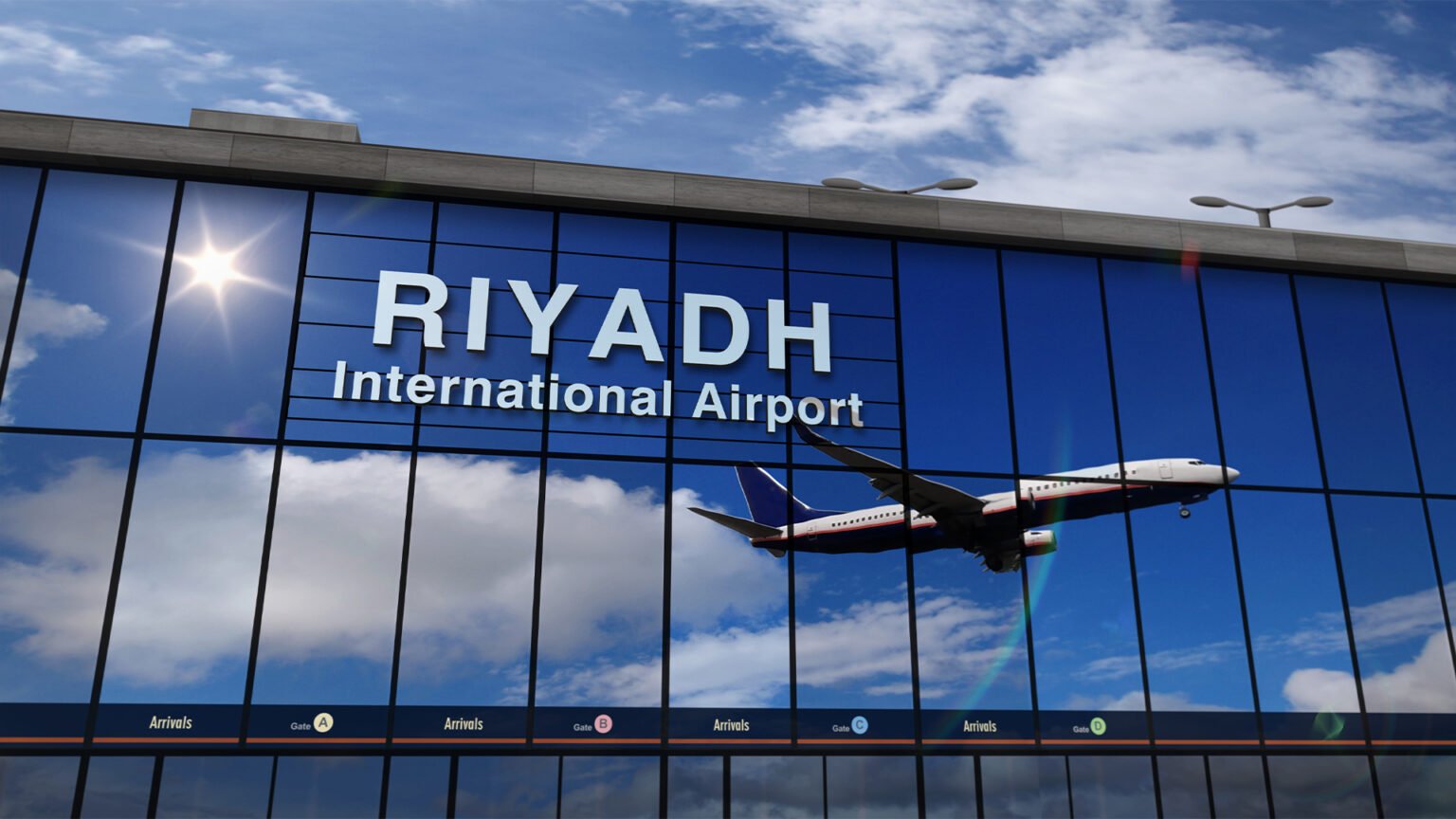
almatar, the Riyadh-born online travel agency, has expanded its use of Sabre’s Mosaic platform a year into a renewed partnership, according to a Sabre release issued on 6 October, highlighting new markets, rising NDC bookings and expanded flight servicing capabilities. It is a vendor announcement and should be read as one. It contains no booking volumes, no NDC share of almatar’s air sales and no airline names. What it does contain is a useful signal about where regional distribution decisions are being made.
Sabre says almatar has extended its reach into multiple African markets while continuing to build its presence in Saudi Arabia, the UAE, Kuwait and Qatar, and that Sabre Mosaic NDC bookings have grown strongly. The African markets are not named, and “strong growth” is not quantified, so the scale of either development cannot be assessed.
The more interesting detail is what almatar added next. Sabre says almatar recently added Sabre Mosaic Exchange and Refund and the AI-native Mosaic Flight Reshop to strengthen rebooking and servicing. Together, Sabre says, they automate the search for alternative flights and the calculations behind exchanges, including rebooking costs, refund eligibility and disruption waivers. That is work almatar advisors would otherwise do by hand. Sabre frames this against operational and geopolitical uncertainty affecting travellers and airlines in the region.
This is TDN’s reading, not a claim by Sabre: servicing may be doing more to anchor almatar to the platform than NDC content is. Shopping and offer content can increasingly be sourced from multiple suppliers, and an agency can add or switch them as airlines make content available. Exchanges, refunds and waivers during a disruption are different. They are slow, error-prone and costly when done manually, and the cost lands on the agency’s own advisors and its customers at the moment trust is tested. A platform that handles that well gives an agency a reason to route more of its volume through it, including its NDC volume.
That matters for how the NDC debate is usually framed. Adoption is often discussed as a contest between airline direct channels and the GDSs, with content as the deciding factor. almatar’s case, as Sabre describes it, suggests a layered picture instead. A Riyadh-based OTA is taking NDC bookings through Sabre’s distribution platform, and the capabilities it highlights most are the ones that keep a booking workable after the sale. Sabre does not say whether almatar uses other suppliers or aggregators alongside it, so TDN cannot say how exclusive the arrangement is.
The modular design is also worth noting. Sabre says almatar added servicing capabilities as the need arose, which is the pitch Sabre has made for Mosaic since its rebuild: components taken at the customer’s pace rather than a wholesale migration. For an OTA expanding across several markets at once, that flexibility has obvious appeal. Whether it holds up as more components and more markets are added is something the release cannot answer.
For almatar, the African expansion adds a second regional story to a business aligned with Saudi Vision 2030. For Sabre, a Riyadh-based OTA growing NDC volume while expanding its use of servicing tools is a useful reference customer in a region where disruption has been a recurring operational problem.
The point for the market is that NDC adoption in the Gulf and Africa could increasingly be determined less by who offers the most content and more by who makes a changed or cancelled trip easy to fix. Agencies operating in markets where disruption and itinerary changes are common are likely to weigh that heavily, and the platforms that win them will probably be the ones that treat servicing as a core product rather than a back-office afterthought.