
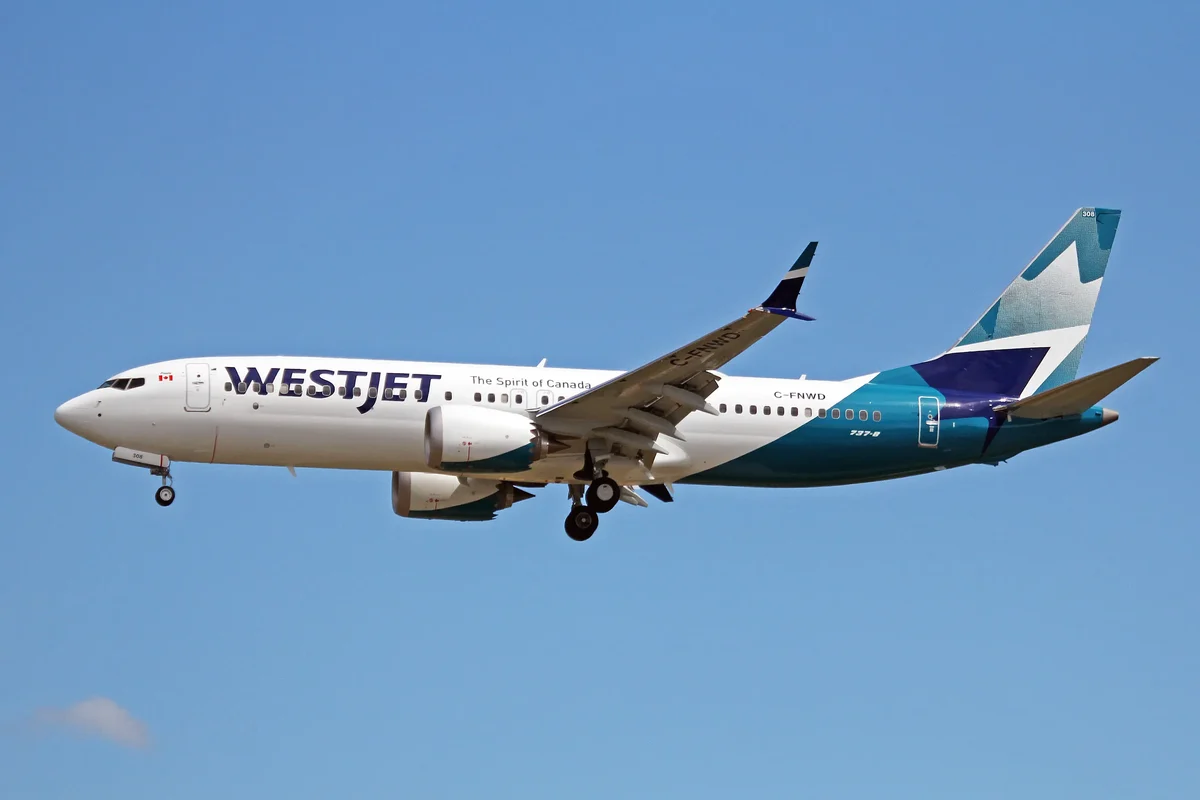
Accelya and WestJet announced that WestJet is testing AI-powered dynamic pricing through Accelya’s FLX ONE platform. WestJet began the test in August 2026 and plans to widen it progressively across its network. The announcement frames it as an extension of the retailing partnership the two signed in 2024.
The tool analyses airline, market and flight-performance signals and recommends when prices should change. Accelya says it uses no personally identifiable information and sits alongside WestJet’s existing revenue management and retailing systems. WestJet sets the parameters and guardrails, and the recommendations stay inside them. As Accelya CEO Sam Gilliland puts it, the airline sets the parameters and defines the rules.
The most useful part of the announcement is what it chooses to emphasise. Three assurances run through it: no personal data, defined guardrails and airline control. They address concerns that became highly visible in a debate that reached Washington last year, when three US senators wrote to Delta Air Lines about its plans for AI-driven airfare pricing, as reported by Axios. They warned that individualised pricing could push fares toward each customer’s personal pain point. Delta told the senators, in a letter reported by Reuters, that its ticket pricing never takes personal data into account. Its vendor, Fetcherr, said its technology does not allow individualised or personalised pricing. The senators had pointed to remarks by Fetcherr’s CEO that the system draws on as much data as it can obtain, and Business Traveller reported that neither company explained how customer data is used. A year on, vendors are selling AI pricing partly by describing the limits placed on it.
That framing matters because dynamic pricing at WestJet is not new. In 2017, WestJet became the first airline in full production with Farelogix’s FLX Shop & Price engine, and PhocusWire’s coverage of the launch described, as a hypothetical, rules that could adjust a fare by 10% based on factors such as load factor. Accelya later acquired Farelogix, so the technology lineage runs straight into today’s announcement. The 2024 agreement covered a multi-year FLX platform deal supporting WestJet’s NDC strategy. What changes now is the engine, with rules written by people being supplemented by recommendations generated by a model. The release also says NDC capabilities are planned as part of WestJet’s roadmap, without saying when. WestJet has had NDC access through Farelogix technology since 2017, which suggests the reference is to NDC on the Accelya platform, though the release does not spell that out.
There is also a detail the release does not mention. WestJet was identified in earlier reporting as a Fetcherr client. One report said WestJet partnered with Fetcherr for an AI-driven pricing, inventory and publishing engine, and coverage of the Delta controversy repeatedly listed WestJet among Fetcherr’s airline customers. The Accelya release says nothing about Fetcherr. The current status of that relationship is unclear, and so is how it relates to the FLX ONE test. WestJet may be running two AI pricing vendors in parallel, or they may sit in different layers of the stack. TDN has not confirmed which. For a carrier that says it wants control, how many pricing systems it runs is a fair question.
“Control” itself deserves a closer look. The release says FLX ONE generates recommendations and that pricing decisions remain with WestJet. It does not say whether those recommendations are applied automatically inside the guardrails or approved by a person first. Those are very different models of control. In one, a human reviews each recommendation. In the other, a human approves a band and the model operates freely within it. A guardrail is only as protective as its width, and the release gives no indication of how wide WestJet’s is, what it covers (fares, ancillaries or bundles) or how much of the network is in scope. It also offers no results. The test is described as early, and that description should be taken at face value.
Pricing intelligence is moving into the same stack that already holds offer management, NDC and order. The vendor that delivers an airline’s NDC connection may now also recommend its prices. Airlines in Africa and MENA assessing retailing platforms will hear the same pitch: start small, define limits, keep control. The questions for any vendor are who writes the guardrails, who audits them, and what happens when recommendations sit at the edge of the band every day.
The WestJet test tells us less about whether AI can price better than humans than about how the industry is learning to sell it. Guardrails have become part of the product, and “the airline stays in control” has become part of the pitch. But control is not demonstrated by the existence of limits alone. It depends on who sets them, how they are enforced and whether anyone independently checks their effects. Until WestJet or Accelya disclose the test’s scope and results, the announcement should be read as a statement of intent, not as evidence that the model prices better or that its safeguards work as intended.