
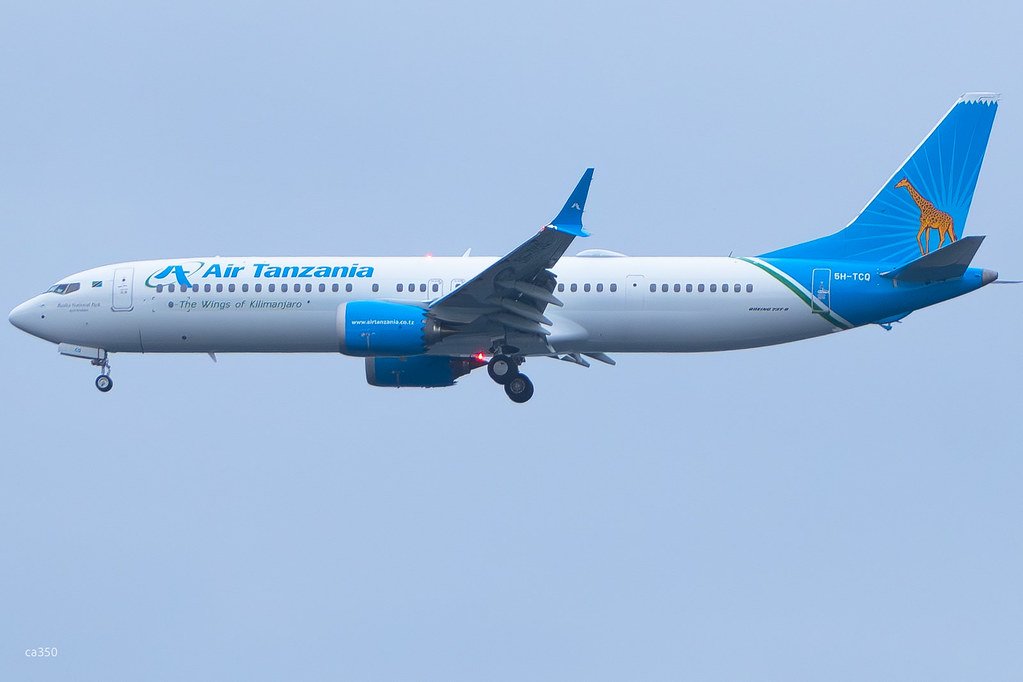
Air Tanzania has selected Sabre to replace its core passenger service system and adopt Sabre Mosaic NDC IT at the same time, according to a joint announcement from the two companies on 11 August 2026. The airline will migrate its reservations, inventory, and departure control functions to SabreSonic while building its NDC distribution on Mosaic from the outset, rather than layering NDC onto an existing legacy PSS later. Eng. Peter Ulanga, Air Tanzania’s Managing Director and CEO, said the carrier needed a platform that could support both immediate operational needs and longer term commercial ambitions. Niklas Andreen, Sabre’s Chief Commercial Officer for Airline Technology, described the approach as modular, letting airlines adopt retailing capabilities at their own pace.
The sequencing is the story here. Many African carriers that have moved toward NDC in the past two years did so by adding a distribution layer on top of an already running PSS, often years into that system’s life. Air Tanzania is doing the reverse: PSS migration and NDC IT adoption as a single, simultaneous transformation. That removes one of the more common friction points in these projects, where a carrier’s offer and order capability is constrained by what its underlying inventory system can actually support. Whether Air Tanzania can execute two major technology changes on an accelerated timeline without disrupting operations is the open question, and the announcement gives no detail on go live dates or a phased rollout plan.
This deal also sharpens a pattern in Sabre’s African strategy. Ethiopian Airlines adopted SabreMosaic Airline Retailing in November 2025, centred on SabreMosaic Offer Management, positioning the continent’s largest carrier by fleet for an offer to order transformation built around dynamic pricing and AI driven personalisation. That announcement did not involve a PSS migration; it built the retailing layer onto Ethiopian’s existing infrastructure. Air Tanzania’s deal is a different and more comprehensive configuration, pairing the same offer and order native language with a full SabreSonic migration underneath it. The two deals are not identical in scope, but they point to the same commercial direction, and Sabre now has two of the region’s most visible national carriers inside its ecosystem, which matters for agencies and aggregators trying to plan connectivity across the region.
The sharper story, though, is the vendor line now forming across East Africa. Kenya Airways became the first Sub-Saharan African carrier to distribute NDC content through the Amadeus Travel Platform in April 2025. Ethiopian Airlines and now Air Tanzania have gone the other way, building their retailing transformations on Sabre. Three of the region’s most consequential flag carriers have effectively split into two camps, and each new deal makes switching camps costlier, since PSS migration and NDC adoption are not decisions an airline revisits every few years. For agencies serving corporate travel programmes that span East African routes, this is not an abstract vendor preference. It means managing different NDC maturity levels, different aggregator relationships, and different servicing models depending on which carrier is being booked, a fragmentation problem TDN has covered as a structural drag on African agency operations even as the underlying case for NDC adoption, richer content, dynamic pricing, better ancillary access, remains sound.
For Air Tanzania specifically, the timing lines up with a stated international expansion push. The carrier’s own materials list Jeddah, Beijing, London, Juba, and Maputo as planned future destinations, subject to regulatory approval. A modern PSS with interline and codeshare capability is a reasonable prerequisite for that kind of network growth, and it is consistent with Air Tanzania positioning itself as more than a domestic and regional operator. What the announcement does not establish is commercial detail: no contract value, no confirmed implementation timeline beyond “accelerated,” and no specifics on which NDC capabilities go live first. Those gaps are worth tracking as the carrier moves from announcement to execution.
Sabre disclosed no financial terms for the agreement. Details on implementation timing, contract value, and phased rollout were not included in the announcement and were not available from other public sources at the time of writing.