

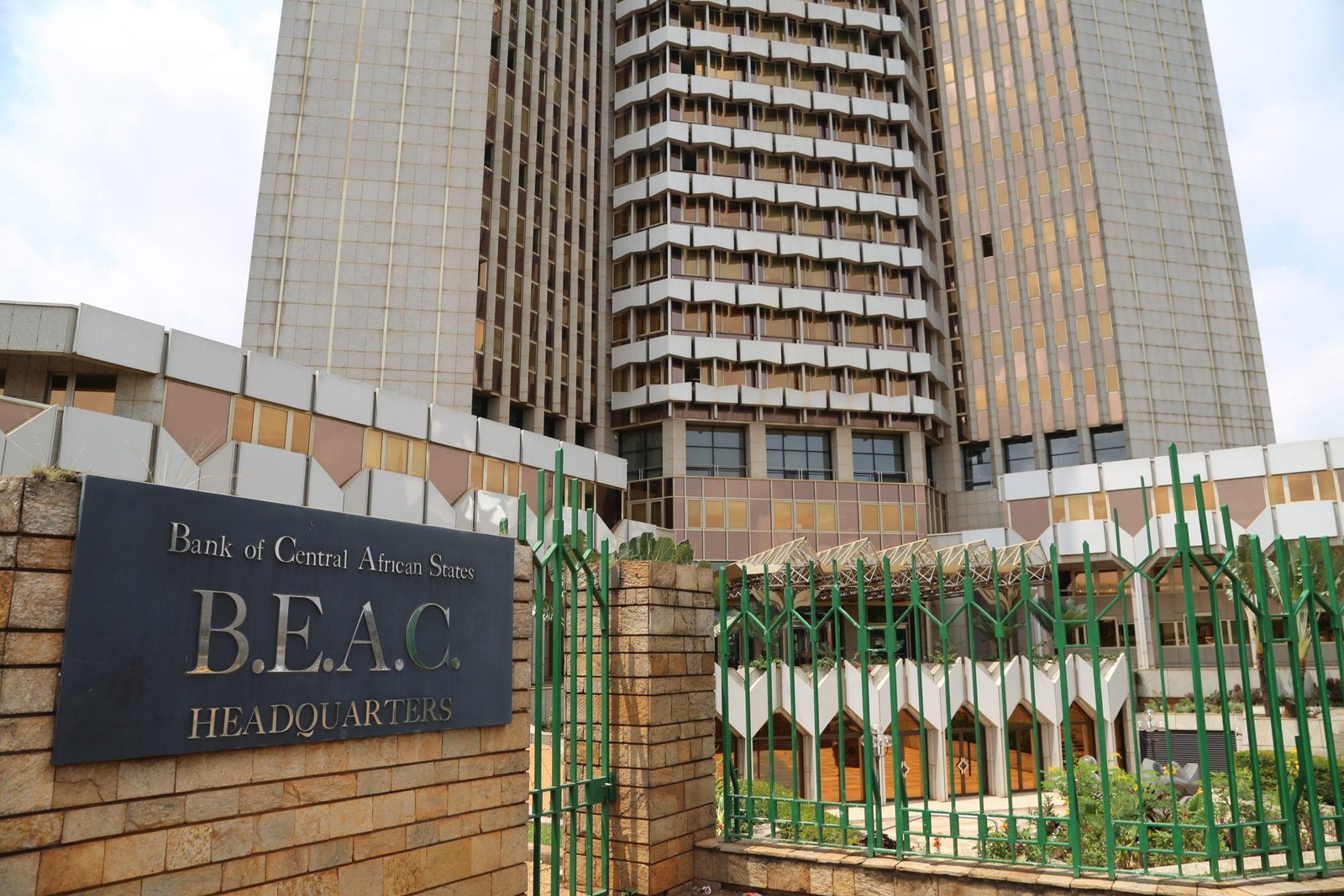
On 9 July, the Bank of Central African States (BEAC) joined the Pan-African Payment and Settlement System (PAPSS), extending the African payment network into the six-country Central African Economic and Monetary Community (CEMAC) for the first time. BEAC serves Cameroon, the Central African Republic, the Republic of Congo, Gabon, Equatorial Guinea and Chad, a market of more than 72 million people sharing the Central African CFA franc. With BEAC on board, PAPSS now connects 28 African countries and more than 190 commercial banks and fintechs, with integration of CEMAC financial institutions planned through the remainder of 2026.
For travel distribution, the announcement immediately raises a familiar question. TDN has repeatedly covered how airlines can accumulate significant local-currency balances in markets where foreign-exchange shortages or regulatory restrictions delay repatriation. PAPSS is designed to move money across African borders in local currencies without relying on correspondent banks outside the continent. The mechanism is relevant. Whether it extends to airline settlement is another matter.
The Announcement Talks About Trade. It Does Not Talk About Ticketing.
Here is where this story needs to be precise about what the BEAC announcement actually says. The Afreximbank and BEAC statements describe PAPSS as cross-border trade and remittance infrastructure. Neither statement mentions airline ticketing, BSP settlement, or IATA remittance specifically. PAPSS’s stated use cases so far, in West and Southern Africa, have centred on general commercial and retail cross-border payments rather than airline distribution settlement.
That means the connection between BEAC joining PAPSS and the blocked-funds problem TDN has documented in Nigeria, Algeria, and Egypt is, at this point, structural and inferential rather than confirmed. The mechanism is the same: local-currency settlement without an offshore correspondent bank. Whether any airline, GDS, or BSP-adjacent payment processor operating in CEMAC actually plans to route ticketing settlement through PAPSS is not something either institution has stated, and TDN has not found an airline on the record making that connection.
A Currency Problem TDN Has Not Told Yet
CEMAC is a genuinely underexamined market in TDN’s own coverage. The region carries meaningful long-haul traffic through Air France-KLM’s historical Francophone Africa network and through Ethiopian Airlines and RwandAir’s regional expansion, alongside ASKY’s West and Central African network centred on Lomé. All of those carriers operate in a currency environment, the Central African CFA franc, with its own convertibility mechanics distinct from the West African CFA franc used in Nigeria’s neighbouring markets. A repatriation or settlement problem in CEMAC would not necessarily look like the Nigeria naira story or the Algeria dinar story TDN has already told. It would have its own currency mechanics, its own central bank relationship, and, now, its own potential settlement rail in PAPSS.
The honest version of this story is not that PAPSS has solved airline settlement in Central Africa. It is that a new payment corridor has opened in a region TDN has barely examined, raising a practical question that remains unanswered: could this infrastructure eventually support BSP or other airline settlement flows, or will it remain confined to trade and retail payments?
For now, the most important development is not that airline settlement has changed, but that the financial infrastructure around Central African payments has. Whether airlines ultimately benefit will depend on whether PAPSS expands beyond its current trade and remittance use cases into the settlement mechanisms that underpin ticket sales. Until airlines, IATA or BSP payment providers confirm that connection, the story remains one of emerging infrastructure rather than proven distribution impact.