
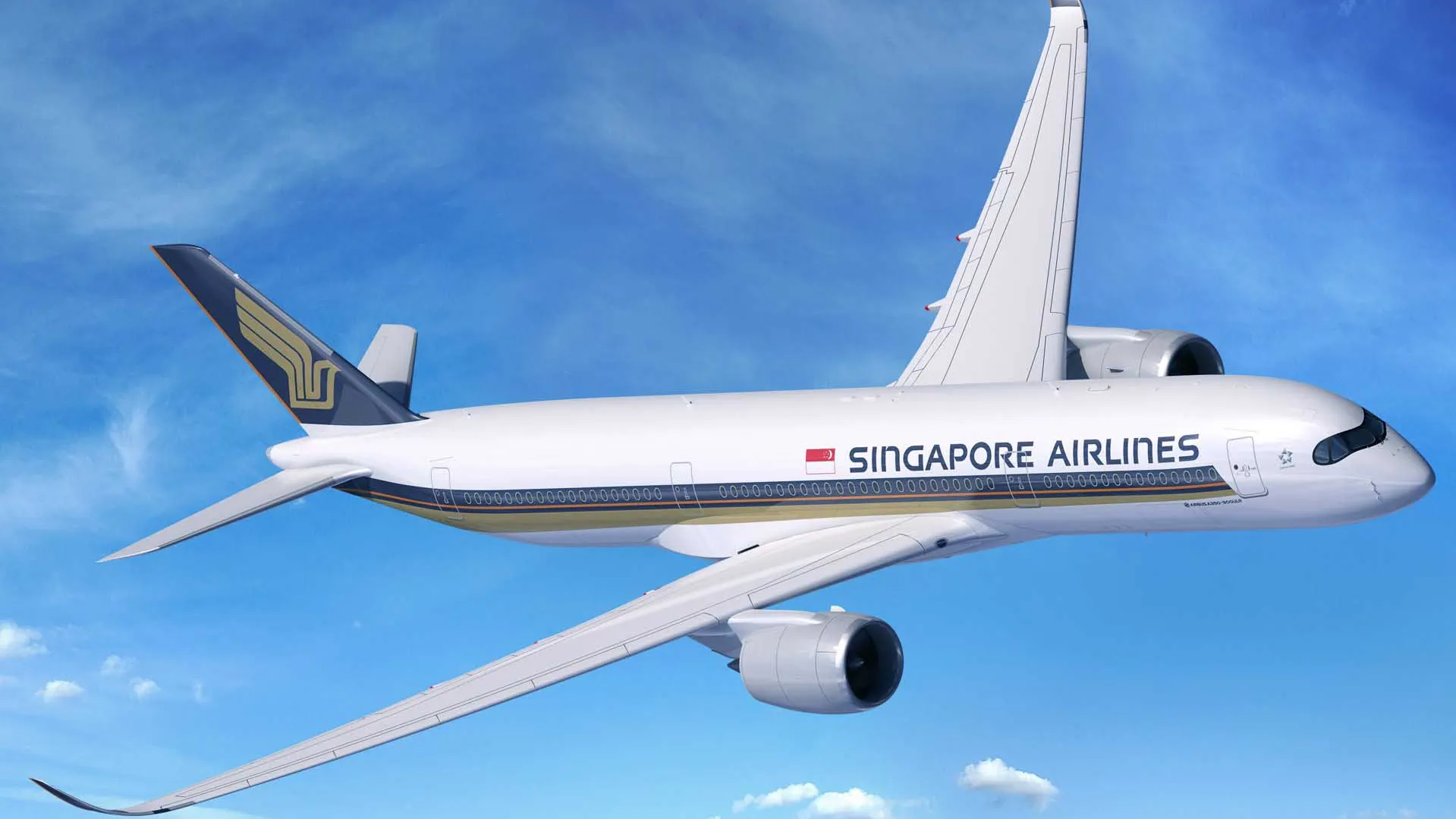
Two corporate travel platforms made nearly identical claims about the same airline in the same week. On August 11, Navan announced it had upgraded its Singapore Airlines connection to a direct NDC integration built on the carrier’s Amadeus Altéa NDC 21.3 API. On August 13, Spotnana announced its own direct NDC integration with Singapore Airlines, describing full access to content across the entire trip lifecycle. Neither company mentioned the other. Both wanted the same carrier as their proof point.
We have covered this pattern before in the GDS layer, where Amadeus, Sabre and Travelport are placing structurally different bets on who owns AI-era booking. What is happening here is one level up the stack, among the corporate travel platforms that sit between airlines and the enterprise buyer, and it says something about how NDC announcements now function less as infrastructure news and more as competitive signaling.
Start with what each company actually said. Navan’s announcement leaned on scale: over 70 percent of Singapore Airlines bookings made through Navan now flow through the NDC channel, access to NDC-exclusive fares and avoidance of the carrier’s EDIFACT distribution fee where one applies, richer ancillary content, and faster post-booking servicing. The quote came from Navan’s own SVP of Group Travel Marketplace, Dane Molter. No Singapore Airlines executive was quoted in Navan’s release.
Spotnana’s announcement, two days later, was more granular and more consumer-facing. It listed continuous pricing with NDC fares averaging 7 percent below EDIFACT, no distribution surcharge, corporate negotiated fares with the buyer’s logo displayed in the booking flow, loyalty recognition extending into seat selection, a 24-hour fare hold, and self-service exchanges and cancellations. Singapore Airlines’ general manager of distribution, Gan Cai Fong, gave Spotnana the airline-side quote, praising the speed of the integration build. That asymmetry, an airline executive backing one competitor’s announcement and not the other’s, is worth noting even though it may say more about which PR team asked first than about relative technical depth.
The more interesting thread is Navan’s own history with this exact announcement format. In February, Navan announced an upgraded NDC connection with Qantas using near-identical language: the same executive, the same claim about cutting through the complexity of legacy distribution, the same 70 percent adoption figure applied to a different airline. Navan built a content aggregation platform designed, by its own description, to deploy this kind of upgrade repeatedly across carriers. The Singapore Airlines announcement is not a one-off achievement. It is the second visible run of a playbook, and probably not the last.
That reframes what these announcements are for. A direct NDC connection to a major full-service carrier is a genuine technical milestone, but the press release around it functions as a market signal aimed less at travelers than at enterprise buyers evaluating which platform to route their travel program through. When two platforms converge on the same carrier within 48 hours, the airline becomes a shared reference case rather than an exclusive one, and the value of the announcement shifts from what was built to who claimed it first and loudest.
Worth flagging what neither release discloses: actual incremental booking volume attributable to the new direct connection, as opposed to the pre-existing NDC channel share both platforms already had with Singapore Airlines through aggregators. The 70 percent figure in Navan’s release describes total NDC channel adoption, not a number specific to the upgrade itself. Readers evaluating these claims should treat the underlying technical upgrade as verified and the competitive framing around it as marketing.
For markets watching from outside this tier, the contrast is instructive. Singapore Airlines can generate competing platform announcements within days of each other because multiple well-funded corporate travel platforms are actively competing for its content and its buyers. Most African and MENA carriers are not yet in a position where two platforms are racing to claim their NDC connection as a trophy. The Singapore Airlines episode is a preview of what distribution competition looks like once a market has enough platform density for the airline to stop chasing partners and start being chased.