
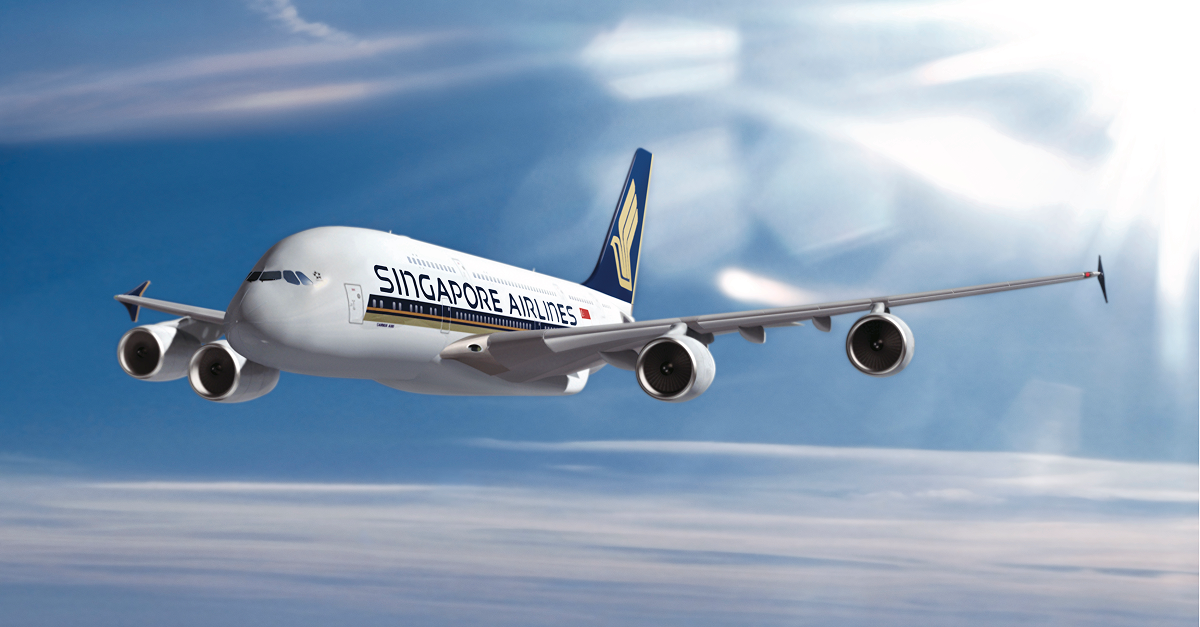
The ongoing evolution of airline distribution has often been framed as a battle between direct channels and intermediaries. Yet deals like the renewed agreement between Singapore Airlines and Amadeus IT Group show that global distribution systems remain deeply embedded in the commercial infrastructure of aviation.
Under the renewed global distribution agreement, Singapore Airlines will continue to distribute its fares, schedules, and seat availability through the Amadeus Travel Platform. The agreement ensures that thousands of travel agencies connected to Amadeus worldwide retain access to the airline’s content and booking capabilities.
For travel sellers, the deal provides continuity. Agencies will continue to access Singapore Airlines’ inventory through the same platform used to compare, shop, and book flights across multiple carriers. In practical terms, this preserves the airline’s visibility in one of the industry’s largest global distribution networks.
But the strategic significance of the agreement goes beyond simple content access.
Airline distribution is undergoing one of the most significant transitions in decades. Carriers are investing heavily in modern retailing capabilities, including richer product offers, dynamic pricing, and personalized bundles delivered through newer distribution technologies such as New Distribution Capability (NDC). Many airlines have also experimented with shifting more bookings to their direct channels.
Despite these shifts, global distribution systems remain critical to the industry’s commercial reach, particularly in corporate travel and agency-led bookings.
By renewing the agreement, Singapore Airlines is signaling that while retailing models may evolve, the role of intermediaries in connecting airlines with travel agencies and corporate buyers is unlikely to disappear anytime soon. Global carriers still rely on distribution platforms to efficiently reach fragmented agency networks across multiple regions.
For Amadeus, the renewal reinforces the company’s strategy of positioning its travel platform as a central hub for airline content distribution, including both traditional fare content and newer retailing capabilities. The company has spent the past several years expanding its airline retailing infrastructure and integrating modern offer management into its ecosystem.
In a distribution landscape increasingly shaped by competing technologies, platform strategies, and airline ambitions to control their own retail environments, partnerships like this remain essential.
Rather than replacing intermediaries, the industry’s current phase appears to be moving toward a hybrid distribution model, one where airlines pursue greater control over their offers while still leveraging the scale and reach of global technology platforms.
For travel agencies, that balance remains critical. Access to comprehensive airline content through a single platform continues to be one of the core foundations of modern travel retail.