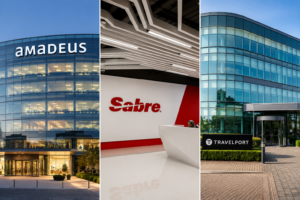
Amadeus has announced its intention to acquire IDEMIA Public Security (IPS), a French-headquartered biometrics and identity services provider, for €1.2 billion. The deal, announced on April 29, signals a further step in Amadeus’ push beyond distribution and into control of the end-to-end traveller journey.
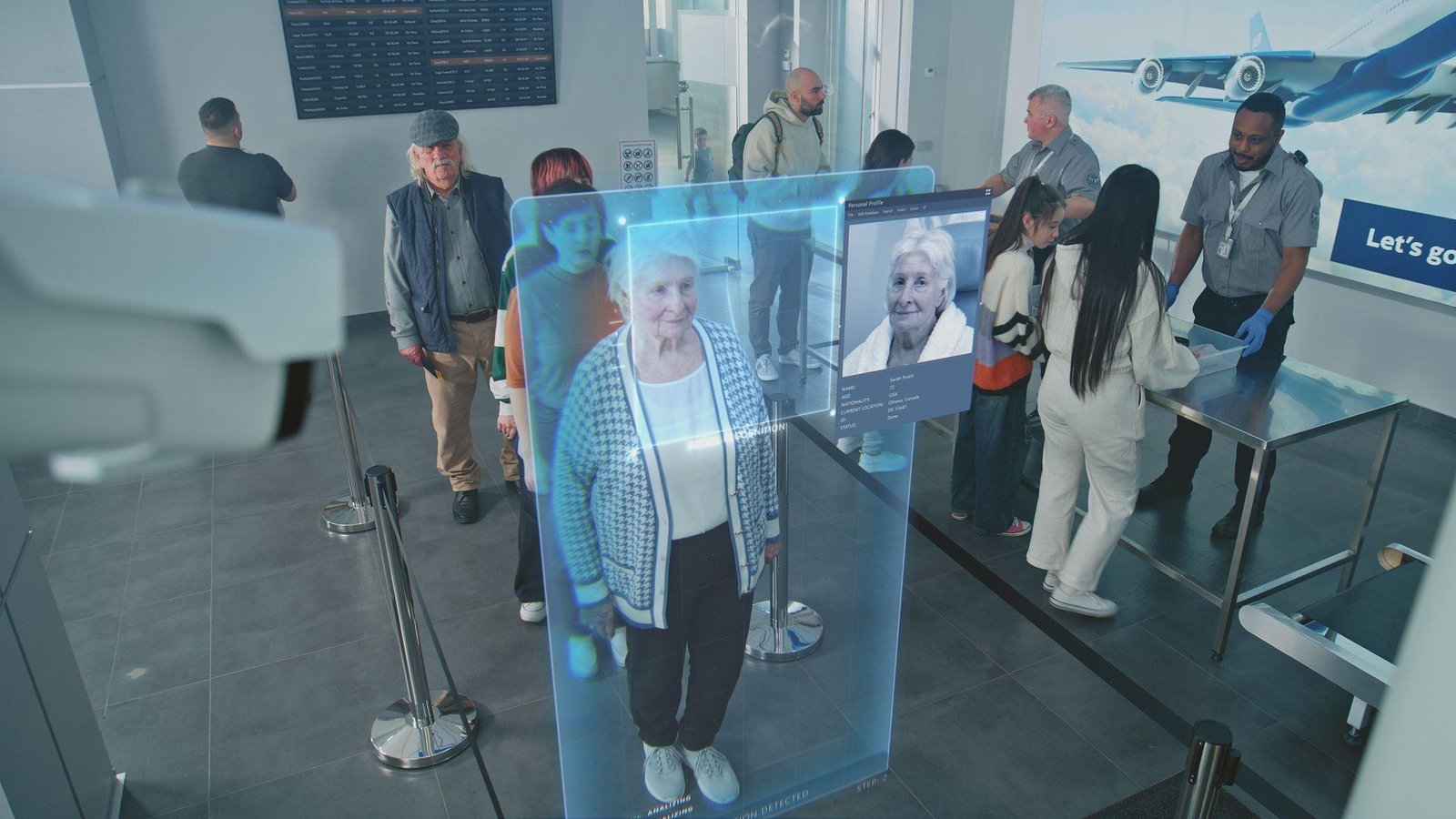
The acquisition follows Amadeus’ 2024 purchase of Vision-Box, a biometric solutions provider serving airports, airlines, and border control customers. Taken together, the two moves reflect a strategy that is no longer simply about connecting buyers and sellers of travel content. Amadeus is building toward what it describes as an orchestrator of the travel ecosystem, one where identity, biometrics, distribution, and operations are unified on a single platform.
IPS employs approximately 3,300 people worldwide and serves more than 600 public and private sector customers. Its capabilities extend across passenger processing, access control, and government-grade biometric identification, giving Amadeus a significantly broader footprint in the secure identity space than it currently holds through Vision-Box alone.
The strategic rationale is straightforward. As biometric adoption accelerates across airports and border systems globally, the ability to verify identity instantly at every touchpoint, from check-in through to boarding, becomes a competitive differentiator for any platform that wants to sit at the centre of the travel value chain. Amadeus already connects airlines, airports, hotels, and border systems. Adding IPS capabilities means those connections can now carry a verified identity layer throughout, reducing friction and enabling faster, more automated processing at every stage.
Luis Maroto, President and CEO of Amadeus, described biometrics alongside artificial intelligence as among the most transformative technologies for delivering fast, convenient, and secure end-to-end traveller journeys. Decius Valmorbida, President of Travel at Amadeus, pointed to the bridging of physical and digital identity as critical infrastructure for seamless travel in an AI-driven world, arguing that combining Amadeus and IPS capabilities would enable more joined-up travel journeys and better connect the travel ecosystem.
For the distribution community, the acquisition carries implications that go beyond biometrics. Amadeus has spent years being defined primarily by its GDS business and its role as a content aggregator between airlines and travel sellers. The Vision-Box acquisition and now the IPS deal suggest the company is actively repositioning itself around a wider vision, one where distribution is one layer of a much larger platform play rather than the defining product. In a world moving toward Offers and Orders, the combination of identity, retailing, and fulfilment on a single platform further strengthens Amadeus’ position in the evolving travel stack.
That repositioning matters for Africa specifically. The continent’s airports and border systems are at varying stages of biometric adoption, with some markets moving quickly and others constrained by infrastructure investment gaps. A platform that bundles distribution, biometric identity, departure control, and border processing into a unified offering creates a different kind of commercial conversation with African carriers and airport operators than a standalone GDS relationship. The dependencies deepen. The switching costs rise. And over time, the balance of power shifts toward the platform controlling identity, processing, and distribution together.
It also raises questions about competitive dynamics in the travel technology space. As Amadeus expands its platform footprint through acquisition, rivals including Sabre and smaller specialist providers face pressure to define where their own strategic boundaries sit. The race to become the underlying infrastructure layer of the travel industry is accelerating, and biometric identity has emerged as one of its most consequential battlegrounds.
The intended acquisition is subject to regulatory approvals and customary closing conditions, with completion expected in mid-2027. An earn-out structure means total consideration could reach €1.35 billion depending on performance thresholds agreed between both parties.