
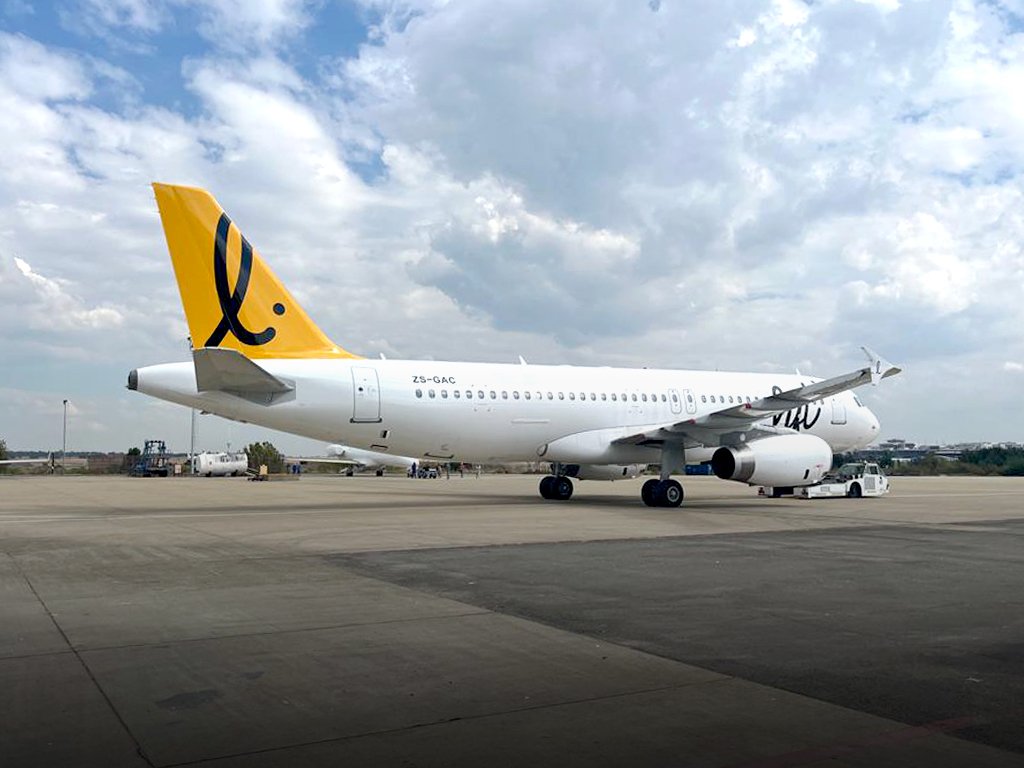
South African low-cost carrier LIFT announced in June that it had become the first airline in the country to offer both Apple Pay and Google Pay directly through its website, on mobile and desktop, alongside a new option to pay in cryptocurrency through fintech partner Ozow. Chief Commercial Officer Cilliers Jordaan framed the move as a natural extension of the LIFT Wallet, the airline’s existing digital wallet product, telling press that customers have shown they want convenience, flexibility, and control over how they pay for travel.
The headline claim needs a qualifier. LIFT is the first South African carrier to put Apple Pay and Google Pay directly on its website. Rival FlySafair got there earlier in the year, but through its mobile app rather than the browser. The distinction matters less to a traveler booking a flight than it does to anyone tracking how South African airlines are building out payment infrastructure, because it shows two carriers arriving at the same conclusion by different routes, and racing to close the same gap.
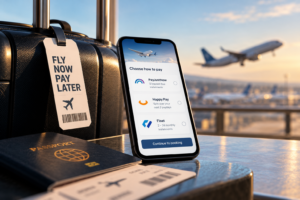
That gap is checkout friction. LIFT’s new stack now spans debit and credit cards, Apple Pay, Google Pay, cryptocurrency via Ozow, buy-now-pay-later style installments through RCS and PayU, Mobicred financing, and 1Voucher, according to the airline’s own announcement. It is a wide net, cast at a payments landscape that is still fragmented across South Africa’s card, wallet, and alternative payment ecosystem. The airline is betting that giving customers more ways to pay reduces abandoned bookings more effectively than optimizing any single payment rail.
The crypto piece is the smaller story dressed as the bigger one. LIFT is not building crypto acceptance from scratch. Ozow converts the customer’s cryptocurrency into rand at the point of sale, which means LIFT is not holding or settling in crypto itself, it is simply adding a funding source on top of a conventional settlement. That is a meaningfully different commitment than an airline like airBaltic, which has accepted Bitcoin directly since 2014 and has since added other cryptocurrencies. LIFT’s version is lower risk and lower cost to implement, and it is likely to be the model other airlines follow if crypto payments spread further across African aviation.
What deserves more attention than the wallet additions is the direction both LIFT and FlySafair are now pointed in. Neither airline is simply adding a payment button. Each is assembling a stack, wallets on one side, financing options on the other, built around the idea that the customer who books today may want to pay differently than the customer who books next month. That is a retailing posture, not a checkout feature, and it puts South Africa’s low-cost carriers ahead of much of the rest of the continent on payment optionality, even as more foundational payment infrastructure gaps persist in other African markets.
The open question is whether this becomes a genuine competitive differentiator or a checklist item that both carriers converge on within a year. Digital wallet adoption in South Africa is accelerating, and roughly 45 percent of consumers surveyed in the Visa and Discovery Bank SpendTrend25 study reported already using virtual cards, so the underlying demand is real. But once every airline offers the same wallets, the competitive advantage shifts from payment acceptance to payment intelligence, knowing which method to present to which customer, when to surface financing, and how to cut failed or abandoned transactions. That is a harder problem than adding a button, and it is the one worth watching next.