
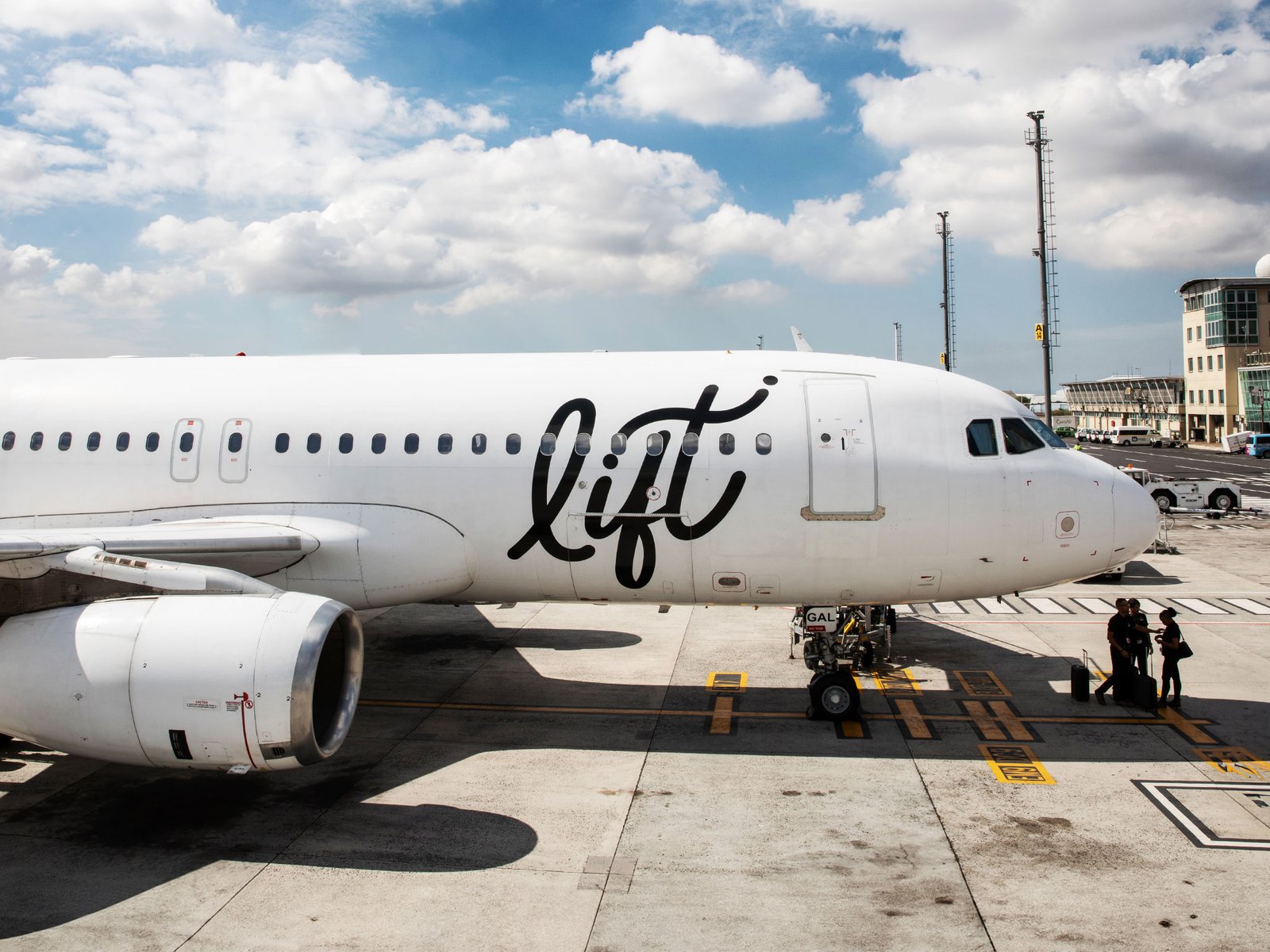
South African low-cost carrier LIFT is set to go live within weeks on GO7’s Orchestrated Virtual Interlining (OVI) solution, becoming one of the first airlines worldwide to adopt the model. The move gives LIFT a way to sell journeys beyond its own network without handing pricing, settlement, or the customer relationship to a third-party marketplace, and LIFT is using the launch to call for wider adoption of airline-controlled virtual interlining across Africa.
The integration builds on GO7’s existing relationship with LIFT, which already runs on GO7’s AeroCRS passenger service system. Under OVI, LIFT becomes the merchant of record for connected journeys, setting its own rules for which routes it offers, how ancillaries are sold, and where it takes on risk, rather than ceding those decisions to a third-party aggregator.
A complement, not a replacement, for interline deals
Cilliers Jordaan, Chief Commercial Officer at LIFT, said OVI opens up distribution opportunities that will grow the airline’s direct bookings and create new market access for both existing and future partners. He framed the move as part of a broader shift he believes African carriers should embrace: airline-managed connectivity as an alternative to relying solely on traditional interline and codeshare agreements to extend reach and optimise capacity.
Asked how OVI changes LIFT’s existing interline and codeshare relationships, Jordaan was clear that it is additive rather than disruptive. OVI will not replace those partnerships, he said, but will act as a catalyst for new ones in markets that were previously out of reach because of costly technical integration. The model is designed to speed up time to market for future partnerships rather than unwind existing ones.
LIFT’s first priority once OVI goes live is regional. Jordaan said the airline will focus on connecting with carriers across Southern Africa, describing the goal as building a marketplace for simplified connected travel among airlines in the region.
Settlement flexibility, and a second carrier in the pipeline
Adam Weiss, CEO of GO7, said carriers with low-cost business models, like LIFT, want the reach of virtual interlining without ceding commercial control to a marketplace. Because LIFT already runs on GO7’s PSS, it can sell beyond its physical network from within its own commercial setup, backed by GO7’s airline code and settlement infrastructure.
On settlement mechanics, Weiss said OVI does not impose a single model. Airlines can settle through Split Payment or via the IATA Clearing House, depending on what fits their existing setup, which keeps the backend simple and lets carriers use familiar, scalable revenue accounting processes rather than negotiating a separate arrangement for each partner. For a carrier LIFT’s size, he said, that choice is what makes the model workable at scale, allowing LIFT to work with multiple partners, including smaller carriers, without losing visibility or control over payment flows.
LIFT is part of the first wave of airlines adopting OVI, according to Weiss, and GO7 is in the final stages of integrating a second, unnamed carrier while already offering the solution across its wider network of PSS customers. Weiss described growing interest from airlines looking to extend their networks through airline-managed virtual connectivity while retaining control.
Where OVI came from
Orchestrated VI was originally built for Value Alliance, the low-cost carrier alliance that ceased to exist in 2023. GO7 has since developed the model further, adding a patent-protected baggage transfer solution, a disruption guarantee with parametric cash payouts, optional IATA Clearing House settlement, and the ability to align ancillaries across carrier partners, features GO7 says go beyond what existing virtual interlining products have offered.
Peer Winter, Chief Distribution Officer at GO7, said OVI is meant to demonstrate what airline-controlled connectivity looks like in practice: partners selling each other’s networks with full ancillaries on every segment, disruption handled end to end, through-checked bags, and a choice of ICH or Split Payment settlement.
The Interline Problem This Is Trying to Solve in Africa
Virtual interlining has historically been the domain of third-party marketplaces, which has left airlines with limited say over route selection, ancillary sales, and risk exposure. For African carriers in particular, many of which still lean on traditional interline and codeshare agreements to extend their networks and improve capacity utilisation, LIFT’s move is a test case for whether an airline-controlled alternative can deliver similar reach at lower cost and faster time to market. The bigger question is not whether virtual interlining works. Marketplace-driven versions already do. The question is whether airlines can get the reach of virtual interlining without giving up commercial control, and whether that model can sit alongside existing interline and codeshare deals rather than compete with them. If LIFT’s rollout delivers, it gives African carriers a template for expanding regional connectivity without waiting on the slower, more complex path of legacy interline negotiations.