

Average business airfares across the Middle East and North Africa climbed from $389 in January to $567 in June, a swing of nearly 46 percent inside two quarters, according to data published by Tumodo, the UAE-based corporate travel platform. The number that gets repeated is the headline increase. The more useful number is the shape of the curve underneath it, and what that shape says about which parts of the region’s distribution infrastructure could keep up with it and which could not.
Tumodo’s figures show February as a trough at $374, followed by a sharp jump to $539 in March, then a peak of $598 in May before settling to $567 in June. That is not a smooth inflationary drift. It is a shock, driven by the Iran conflict that began in late February pushing crude above $100 a barrel and lifting jet fuel costs across the region within weeks. A fare curve that moves that fast is a stress test for whatever system is generating the offer a travel buyer actually sees, and the two dominant systems in this market do not respond to that kind of shock at the same speed.
Traditional fare filing through GDS channels was designed around scheduled fare updates rather than rapid repricing driven by sudden fuel cost shocks. Carriers relying primarily on that filing cycle can see a lag between a real cost shock and what shows up in the market, sometimes visible as sold-out lower buckets or fares that look stale next to what a carrier is actually willing to sell that day. Offer generation built for dynamic, NDC-based pricing, whether distributed direct or through GDS-connected NDC capabilities, is designed to price against live cost and demand inputs, which is closer to the environment this data describes. The airlines best positioned to respond were those with more mature retailing capabilities and the ability to generate offers dynamically, rather than those relying primarily on scheduled fare cycles.
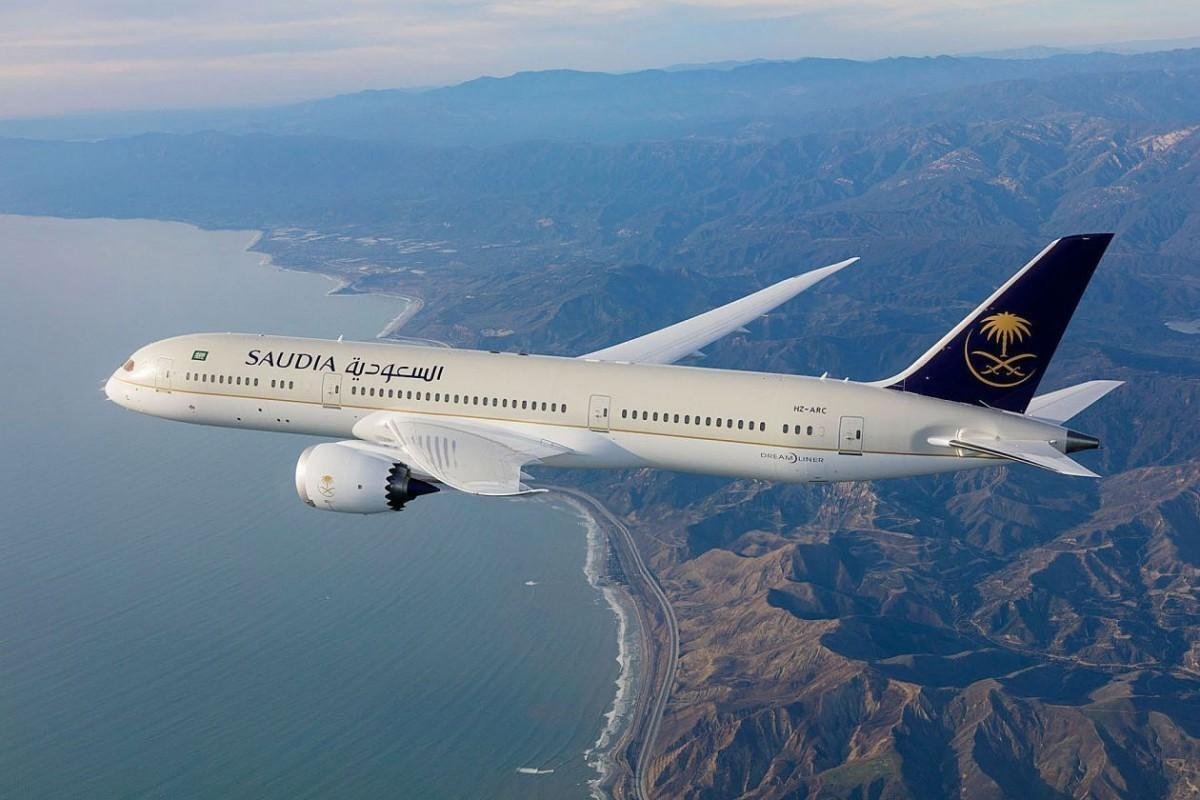
That distinction matters more than usual here because of who actually carried the volume. Tumodo’s data puts Emirates at 25 percent of corporate bookings in the period, Saudia at 20 percent, and Turkish Airlines at 17 percent. All three are among the more advanced Gulf and regional carriers on NDC adoption and dynamic offer management. It is worth being clear about what the data does and does not show: Tumodo’s figures describe which carriers corporate travelers booked most often, not which distribution channel or technology stack processed those bookings, and the platform has not published a channel-level breakdown. The link between offer-generation speed and booking share during the shock is a plausible read of the pattern, not a claim the underlying data verifies directly.
The route shift in the same dataset reinforces the broader point about where distribution capacity has been built. European corridors topped MENA corporate travel rankings for the first time in H1 2026, with Dubai-London and Dubai-Berlin ranking ahead of established intra-regional routes like Riyadh-Dubai and Dubai-Cairo. That shift tracks directly against capacity additions by Emirates, Air Arabia, and Etihad, all of which added or expanded European services in 2026 to cities including London, Berlin, Frankfurt, and Helsinki. New capacity on new corridors needs distribution infrastructure that can price and sell those routes correctly from day one, and that is a heavier lift for carriers still running primarily on legacy fare filing.
There is a second-speed market pattern sitting inside this data that is easy to miss if the story stops at the 46 percent headline. The airlines that maintained booking momentum during the fuel shock were not necessarily the largest. They were the ones better equipped to adjust offers as market conditions changed. Trip length also compressed across the period, from roughly four days in Q1 to two to three days in H1, which points to buyers making faster, more tactical booking decisions, another environment that rewards a distribution system built for speed over one built for scheduled cycles.
One caveat is worth stating plainly rather than leaving implicit. This entire dataset comes from a single vendor, Tumodo, whose business is corporate travel booking in the Gulf specifically. It is not an IATA-level or pan-regional audited figure, and it reflects the booking pattern of Tumodo’s own customer base rather than the full MENA corporate travel market. The pricing and route figures are Tumodo’s reported data. The link to distribution technology and offer-generation speed is TDN’s analysis of what would plausibly produce that pattern, not a claim made by Tumodo itself.