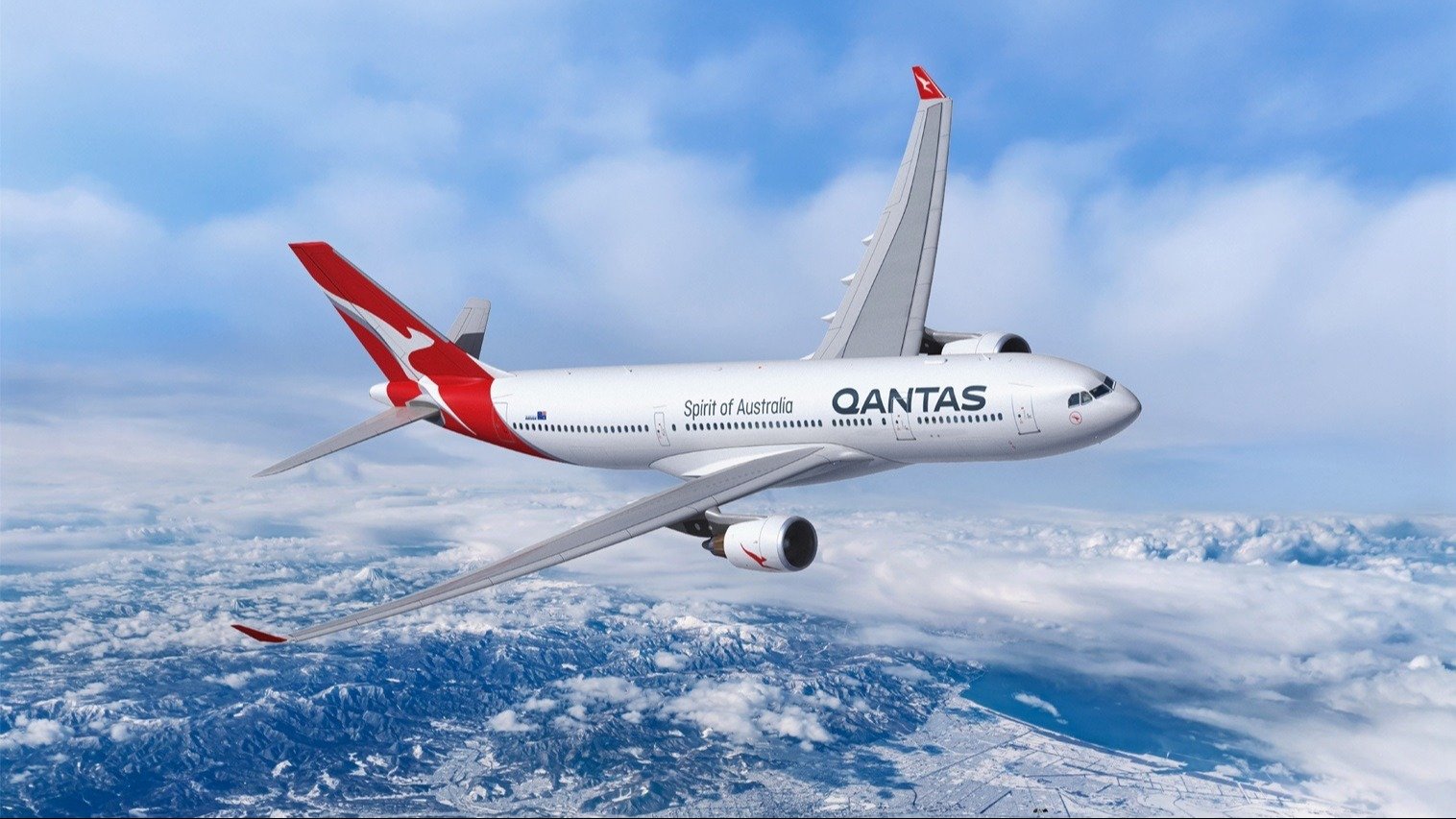
On 30 September, Qantas Loyalty announced that Expedia Group B2B will power the end-to-end booking experience behind Qantas Hotels & Holidays and Jetstar Holidays. Customers will book hotels and holiday packages, earn and redeem Qantas Points, and manage their trips in one place. Build and integration work is underway, and the platform is scheduled to launch in the first half of 2027.
The number that explains why Expedia won this kind of deal is 20. Expedia’s B2B segment has now posted double-digit growth for 20 consecutive quarters. In the second quarter of 2026, B2B revenue rose 23% to roughly $1.49 billion and gross bookings rose 21% to roughly $10.7 billion, according to figures reported from the company’s results. Skift’s coverage of the earnings call put the partner base at 75,000. Qantas is what that growth looks like when the partner is not an OTA or a travel agency but a loyalty programme with millions of customers and its own currency.
It is also the second such deal in under two weeks. On 17 September, Expedia B2B launched NAB Travel inside the National Australia Bank app, its first arrangement of that kind with an Australian bank. WiT reports that Expedia’s 2025 Traveller Value Index found 72% of Australians would book travel through a non-travel loyalty programme if they could earn points. That is Expedia’s own research, not independent data, but it explains the pitch. Alfonso Paredes, Expedia’s President of B2B, called the Qantas agreement “one of the biggest deals in APAC” and said “This has never been done before in the industry.”
What Qantas gets is more specific than the headline suggests. The reported feature list includes deeper integration into the Qantas App, improved self-service, machine learning recommendations, and the ability to bundle holiday packages with premium cabin seating and codeshare partner flights. Qantas Loyalty’s Jayne Davey described the deal as the foundation for continuously deploying new features. Expedia’s Carolina Cabero said the platform connects supply, pricing, payments, loyalty and digital experience through one integrated build.
What has not been disclosed matters just as much. Neither company has published commercial terms, and the reports do not say which system is being replaced. They also do not explain how the flight content in those bundles will be sourced, or what the “Composable Agentic Template” does in practice beyond the label. In the same WiT interview, Paredes said Expedia’s Air API needs to be “positioned better, delivered better,” so the air component is worth watching rather than assuming.
There is a cost side too. WiT reports that Expedia’s B2B margins were squeezed in the quarter, which the company attributed to partner mix and the cost of consolidating acquisitions. Paredes said margins will rise once integrations settle. Large white-label builds are expensive to deliver, and 2027 will show whether this one pays back.
The pattern is the point. Airlines have spent a decade arguing that they must control their own offer and their own retailing. Qantas has now concluded that for hotels and holidays, the fastest route to a modern store is to rent the infrastructure. It keeps the member relationship and the points currency. Expedia supplies the inventory, payments, servicing and the technology roadmap. Paredes put the division of labour plainly: “AI is the interface. Expedia B2B is the infrastructure.”
That is TDN’s reading, not a statement from either company: for non-air content, even a flag carrier with a large loyalty business has decided that owning the shelf matters more than owning the pipes. Airlines and loyalty operators in emerging markets, where hotel and holiday retailing is often still a small, under-built add-on, should expect to hear the same pitch. The question each of them faces is whether renting the pipes today leaves them with enough control of the customer, the data and the economics when the contract comes up for renewal.