

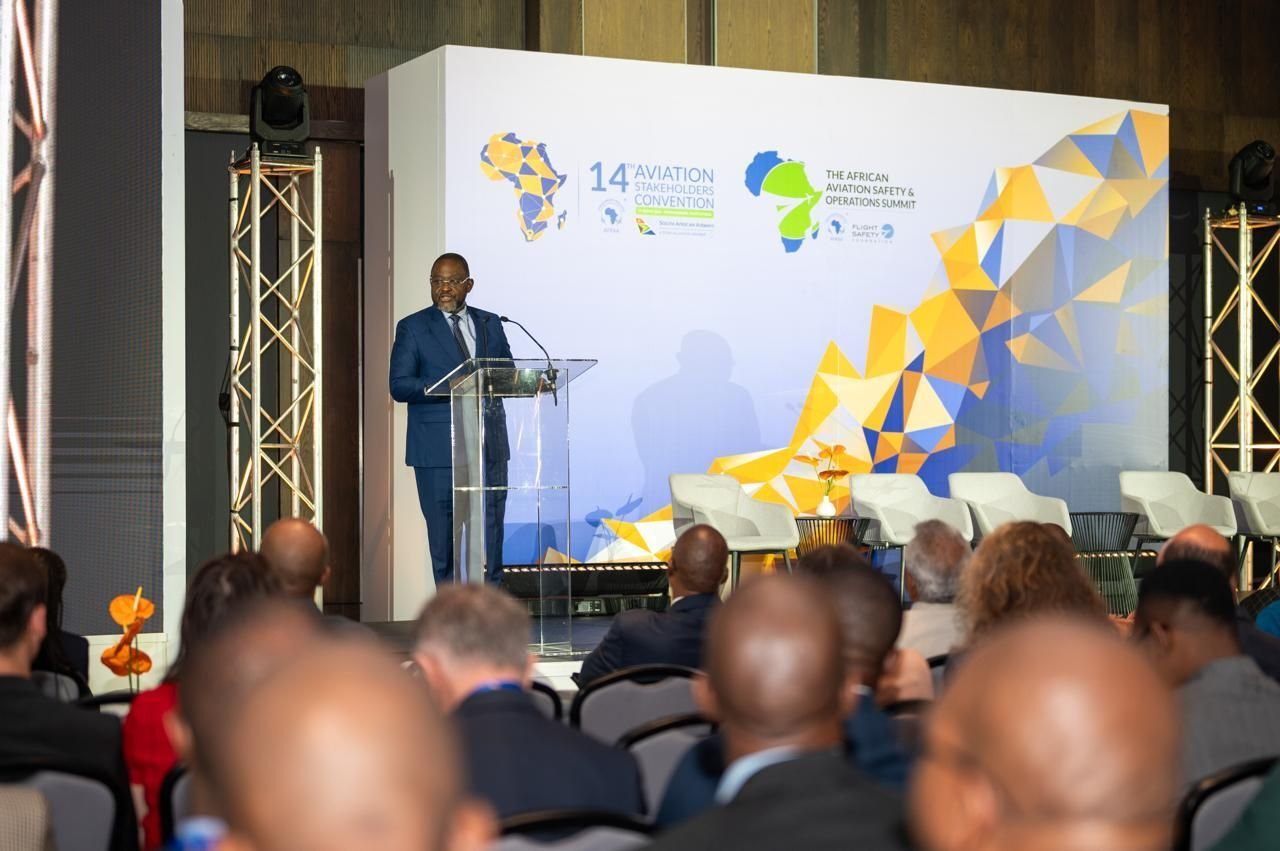
The 14th AFRAA Aviation Stakeholders Convention, which concluded in Johannesburg on Tuesday, placed African airline distribution modernisation at the centre of the industry conversation, and the numbers behind it reveal how far the continent still has to go.
The convention ran from 17–19 May under the theme “Resilient African Aviation: Partnerships – Empowerment – Profitability,” hosted by South African Airways under the patronage of South Africa’s Department of Transport, drawing more than 500 delegates from Africa, Europe, the Middle East, Asia and North America.
Among the most substantive contributions on the distribution side came from TPConnects, which delivered two speaker sessions focused on the practical path toward Offers & Orders and what modern airline retailing means for African carriers. The sessions built on a joint research programme that TPConnects and African Airlines Association have been running since last year.
That research, published as Africa’s Next Flight: Modern Airline Retailing Unlocked, paints a sector still operating far behind the global distribution curve. The underlying survey found that 81% of African airlines carry fewer than two million passengers annually and 80% operate fleets of 15 aircraft or fewer. High distribution costs, limited NDC adoption and technical barriers remain widespread, even as more than 40% of airlines surveyed are planning or implementing NDC initiatives.
A separate industry assessment places the capability gap in sharper relief. More than 90% of AFRAA member airlines currently lack the ability to distribute content over NDC channels.
Distribution cost reduction emerged as the top priority among airlines surveyed, with GDS and intermediary fees increasingly viewed as financially unsustainable. Nearly half of airlines surveyed reported having no NDC capability at all, while 60% continue to rely on on-premises systems even as cloud migration accelerates across the wider airline industry.
The convention in Johannesburg brought those findings directly into focus. TPConnects and AFRAA had already preceded the event with an April 28 virtual workshop examining the transition from EDIFACT-based distribution systems toward NDC and the Offers & Orders framework, including African market realities such as infrastructure limitations, resource constraints and the growing case for modular transformation rather than full passenger service system replacement.
Giuseppe Candela said the discussions at the convention exposed a widening gap between African airlines’ strategic intent and operational readiness around modern retailing.
“The room was highly engaged, and the discussion made one thing clear: there’s a widening gap between intent and readiness, especially when it comes to NDC adoption in Africa versus the rest of the world, and the commercial urgency of moving away from legacy infrastructure,” Candela told Travel Distribution News.
“African carriers are asking the right questions; the challenge now is converting that curiosity into concrete roadmap decisions that lift profitability by increasing ancillary revenue and reducing distribution costs.”
“The appetite for change is real, and African airlines can start small, scale quickly, and replace fear of new technology with confidence in what it can unlock.”
The convention also highlighted the structural pressures sitting upstream of airline retailing modernisation. Abdérahmane Berthé told media on the sidelines of the event that decades of liberalisation commitments, from the 1988 Yamoussoukro Declaration through to the launch of the Single African Air Transport Market in 2018, have repeatedly stalled because governments sign agreements without fully implementing them.
On taxes and charges, Berthé noted that only Côte d’Ivoire had so far acted on a West African heads-of-state directive to reduce aviation taxes by 25% beginning January 2026. For African airlines already operating under some of the world’s highest cost pressures, distribution efficiency is increasingly becoming less of a strategic preference and more of a financial necessity.
Berthé also confirmed that AFRAA’s Free Route Airspace initiative, already operational in West and Central Africa since October 2025, is targeted for rollout across East and Southern Africa by the end of 2026. The initiative allows airlines to fly user-preferred routing rather than fixed air corridors, reducing fuel burn, operational costs and emissions.
As African carriers confront rising distribution costs, fragmented infrastructure and mounting pressure to modernise retailing capabilities, the discussions in Johannesburg suggested the continent’s distribution transition is no longer theoretical. The remaining question is how quickly airlines can move from awareness to execution.