
FLYR’s live deployment with the Saudi carrier is a genuine industry milestone. But the conditions that made it possible are not conditions most airlines share.
The airline retailing conversation has been running for over a decade. IATA introduced NDC protocols in 2012. ONE Order followed. The vision was always the same: replace the static ticket with a dynamic order, collapse the fragmented booking and servicing stack into a single real-time system, and give airlines the commercial flexibility to retail like modern e-commerce businesses rather than legacy reservation systems.
This week, that vision has its first live, full-scale proof point.
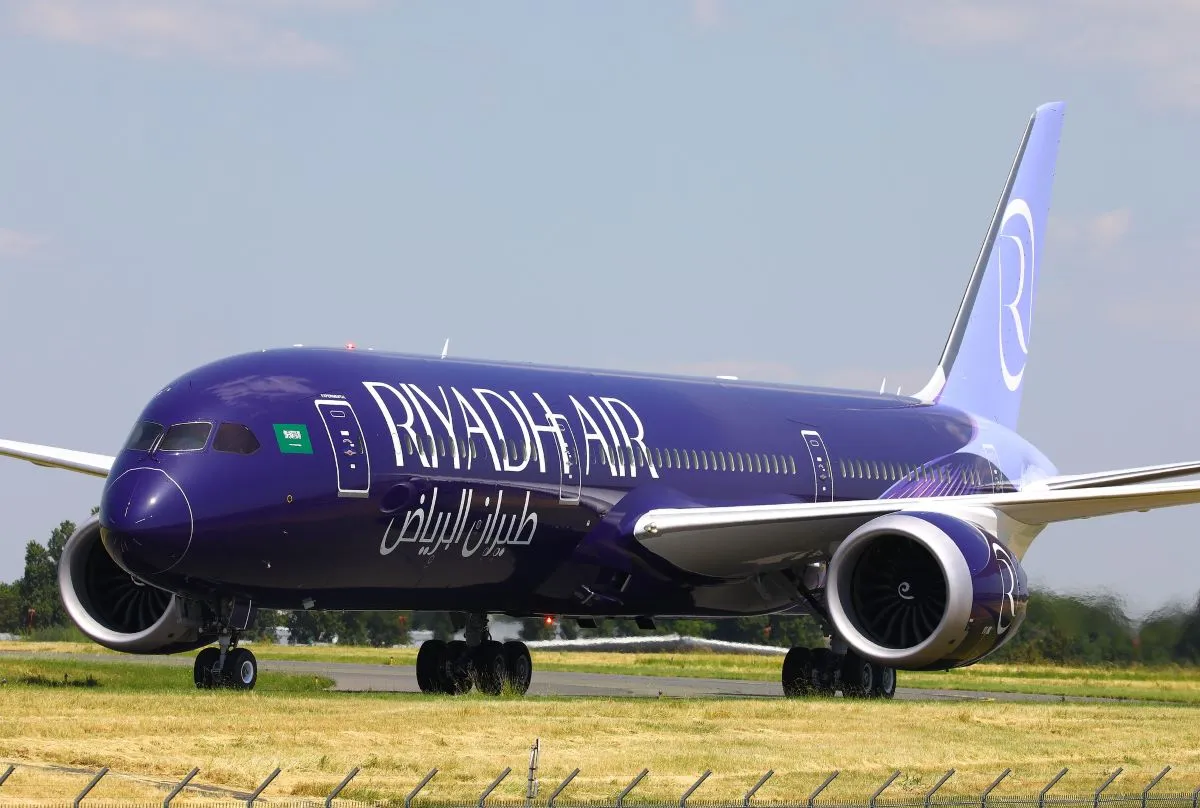
Riyadh Air has launched its content on FLYR’s Offer and Order platform, with the Saudi carrier and its technology partner jointly claiming the distinction of being the first airline to operate a complete Offer and Order architecture in production. The deployment, built in collaboration with IBM, brings multiple technology providers into a single operating environment and a unified shopping experience for passengers.
The implications for how the industry thinks about retailing modernisation are real. So is the caveat buried inside the announcement.
What Riyadh Air Actually Built
The commercial capabilities now live on the platform are a meaningful step beyond what most airlines offer today.
Passengers using the Riyadh Air app encounter a dynamic shopping cart that allows them to save trips and searches, return to their planning at any point, and receive relevant offers connected to their booking context. Journeys are managed in a single real-time order rather than a collection of separate products stitched together at the back end. Post-booking changes are handled through the same unified order rather than through the layered servicing systems that create friction for both passengers and airline operations teams.
The roadmap extends further. Future developments will include collaborative trip planning within the shopping cart, allowing groups to build and customise itineraries together. More significantly, the order management system is designed from the outset to incorporate hotels, ground transportation, and destination experiences alongside flights, positioning Riyadh Air to retail the full journey rather than just the seat.
That last point deserves attention. Most airlines that talk about becoming travel retailers mean it aspirationally. Riyadh Air’s architecture is built to make it structural.
The Milestone and Its Conditions
Riyadh Air CEO Tony Douglas put the ambition plainly, describing the platform as the backbone of the airline’s commercial operations for decades to come and a path for other carriers to follow.
That second part of the statement is where scrutiny is warranted.
Riyadh Air is a greenfield airline. It launched commercial operations in 2024 with no legacy reservation system to migrate, no inherited PSS architecture to work around, no existing agency contracts built on EDIFACT-based workflows, and no installed base of corporate travel tools calibrated to its old stack. It could design its technology architecture from a blank page because it had a blank page.
That is not a minor operational detail. It is the central condition that made this deployment possible at this speed and at this scope.
The broader industry does not share that condition. The carriers that dominate global seat capacity, including the African airlines that TDN’s readership works with and around, are operating on systems built across multiple decades, with commercial relationships, agency ecosystems, and internal workflows that are deeply entangled with the architecture they are being asked to replace.
IATA’s own data makes the scale of the challenge visible. Only 25% of airlines expect to have fully implemented Offer and Order by 2027 or 2028. That figure reflects not a lack of ambition but the genuine complexity of migration for carriers that cannot start from scratch.
What This Means for African Aviation
For African carriers, the FLYR and Riyadh Air announcement lands in a specific context.
NDC adoption across the continent remains uneven. A handful of carriers, South African Airways, Ethiopian Airlines, Kenya Airways among them, have made meaningful progress on NDC capability. The majority are still operating within GDS-dependent distribution models with limited modern retailing infrastructure. ONE Order, the standard that underpins the FLYR deployment, is further still from widespread African implementation.
The greenfield advantage that Riyadh Air enjoyed does have a partial equivalent on the continent. A small number of newer African carriers and the next generation of startups entering the market do have the opportunity to build on modern architecture from the outset. For those carriers, the Riyadh Air deployment is a genuine reference point and an argument for investing in the right stack from day one rather than inheriting the wrong one.
For the established carriers, the more relevant question is whether FLYR’s platform and the ONE Order standard can support phased migration rather than requiring a clean-sheet rebuild. The technology exists. The migration path, and the commercial will to fund it, remains the harder problem.
The Proof Point Is Real
None of this diminishes what Riyadh Air and FLYR have demonstrated. Getting a full Offer and Order architecture into live production, with real passengers using it in a real booking environment, is a meaningful achievement. The industry has been debating whether this was achievable for years. The answer is now demonstrably yes.
The more precise answer is that it is achievable under specific conditions: greenfield infrastructure, a well-funded carrier with digital ambition at its core, and a technology partner willing to build and own the outcome.
Those conditions can be replicated in part. They cannot be assumed.
For airlines still working through the gap between their current architecture and the retailing future the industry is building toward, Riyadh Air’s deployment is both an inspiration and a reminder that the path there runs through choices that most carriers have already made in the other direction.
The path back is longer than the press release suggests.
Travel Distribution News covers the business of airline distribution, NDC, GDS dynamics, travel payments, and emerging markets. Subscribe at traveldistributionnews.com