
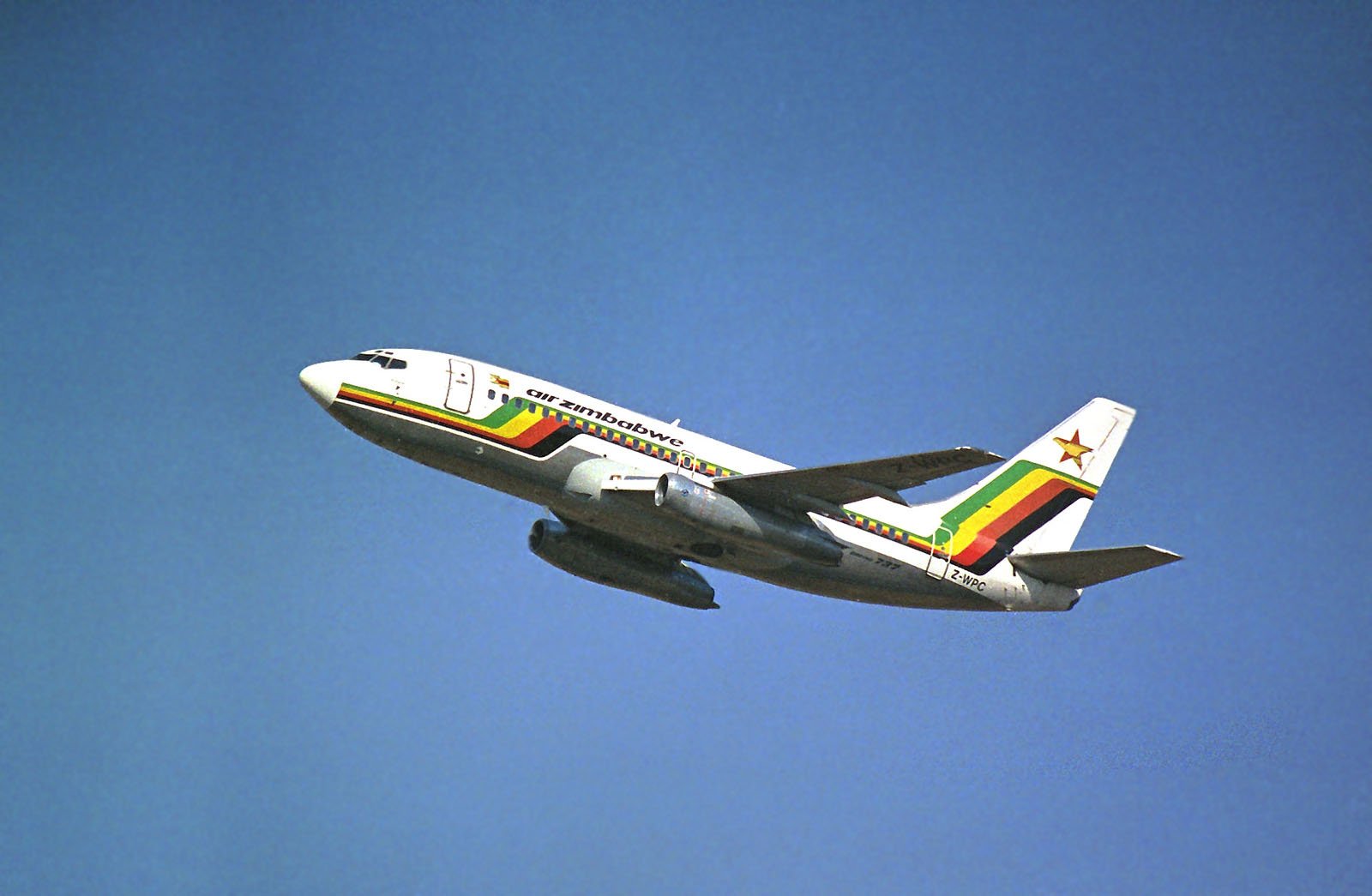
TDN reported on 10 July that Air Zimbabwe’s return to London was a regulatory workaround in search of a distribution strategy. The airline had cleared UK airspace access through a leased aircraft, but the harder question, whether it could actually rebuild booking share in a market that had spent fifteen years routing around it, remained open on every front: GDS reach, NDC enablement, agency access, all unaddressed in public statements. A week later, part of that answer arrived.
Travelport and Air Zimbabwe have signed a multi-year distribution agreement that returns the carrier to global GDS distribution for the first time in more than a decade. The deal follows a completed cutover of Air Zimbabwe’s Crane central reservation system onto Travelport’s infrastructure, and it lands two days before the airline’s new Harare to London Gatwick service launches on 22 July. Travelport-connected agencies will be able to access Air Zimbabwe’s content through Travelport+ and Smartpoint. Travelport also says it will be first to market with the carrier’s UM-validated fares, allowing agencies in Zimbabwe’s domestic market to search, book and service Air Zimbabwe flights directly.
This answers one of the open questions from TDN’s earlier reporting: the route will carry GDS distribution from launch, not run on ad hoc or manual booking processes while Air Zimbabwe waits to plug back into the wider agency network. It does not answer several others, including how BSP settlement will function for a carrier re-entering the market after this long an absence, and whether any interline or codeshare arrangements are planned to extend feed beyond Gatwick into the rest of the UK and Europe.
One question deserves particular attention: whether Air Zimbabwe eventually adopts NDC alongside this GDS agreement. For now, this deal restores traditional agency distribution through the GDS, which is real and useful, but it is not the same as offer control. Whether Air Zimbabwe moves to NDC will determine how much say it has over its own offers, ancillary sales and direct agency connectivity, rather than selling primarily through content shaped by the GDS. For a carrier trying to rebuild its international presence from a standing start, that decision may end up mattering as much as the return to the GDS itself.
Worth restating alongside this release: the aircraft flying the Harare-Gatwick route is not Air Zimbabwe’s own. The carrier’s fleet has been barred from EU and UK airspace since 2017, when the European Commission placed it on the Air Safety List over unresolved safety oversight gaps, and the route is operating under an ACMI lease with Spanish carrier Plus Ultra Líneas Aéreas, brokered by Chapman Freeborn Aviation Services. Travelport’s release describes the service as operating a 302-seat Airbus A330-300, which matches the aircraft type cited by Zimbabwean government officials in TDN’s earlier reporting, but an A330-200 configuration was referenced in other reporting before that. TDN has not seen independent confirmation of the variant from either Air Zimbabwe or Plus Ultra directly, so the discrepancy remains unresolved rather than settled by this release.
The commercial framing from both companies leans heavily on rebuilding. Air Zimbabwe Chief Executive Edmund Makona tied the deal to the airline’s broader effort to restore its international presence and grow into the UK market, while Travelport’s Damian Hickey called the carrier’s return one of real national and international significance. Both statements are consistent with a carrier trying to re-establish itself, but the distribution access this agreement provides is a precondition for winning bookings back, not a guarantee of it. TDN’s earlier reporting on this route noted that corporate travel programs, OTA search rankings and loyalty balances in the Zimbabwe-UK market have had fifteen years to settle around the connecting carriers serving it through Addis Ababa, Dubai, Doha, Johannesburg and Nairobi. GDS access gives Air Zimbabwe a place in that competition. It does not by itself change where travel buyers currently book.
The regulatory access problem has a workaround in the ACMI lease with Plus Ultra, though the underlying EU and UK airspace ban on Air Zimbabwe’s own fleet remains in place until the carrier clears the Air Safety List itself. The distribution problem now has a partial answer through this Travelport agreement. What remains is the commercial question: whether travelers who have spent fifteen years booking Ethiopian Airlines, Emirates, Qatar Airways, Kenya Airways and South African Airways on this route will change that habit for a three-times-weekly service on leased metal. That is the metric that will ultimately determine whether Air Zimbabwe’s return to London becomes a sustainable comeback or a symbolic relaunch.