When the African Development Bank appointed Nigeria’s Festus Keyamo as continental champion of its $7 billion Integrated Aviation Transformation Programme in late May, TDN had already set out the distribution implications in detail. The structural argument was clear: capital at that scale, combined with a genuine push to operationalise the Single African Air Transport Market, would not just grow African aviation. It would force a reckoning with how African airlines sell tickets, how OTAs aggregate inventory, and how payments infrastructure catches up with a liberalised continental market.
That piece was published the day the Letter of Intent was signed in Brazzaville. What has emerged since adds a dimension worth examining separately.
Mesfin Tasew, Group CEO of Ethiopian Airlines, wrote formally to Minister Keyamo following the appointment. The letter, on official letterhead from the Office of the Group Chief Executive Officer and dated May 28, was stamped received by Nigeria’s Ministry of Aviation on June 9. Ethiopian did not issue a press release or a social media post. It wrote a letter. That distinction matters.
What Tasew says in it is not boilerplate. He frames the appointment as a reflection of confidence in Africa’s collective ability to modernise its aviation ecosystem, describes the IATP as an initiative that will unlock new opportunities for African airlines, airports, and aviation stakeholders across the continent, and closes by stating that Ethiopian looks forward to collaborating and supporting the initiative directly. That final line is a commercial signal, not a diplomatic formality.
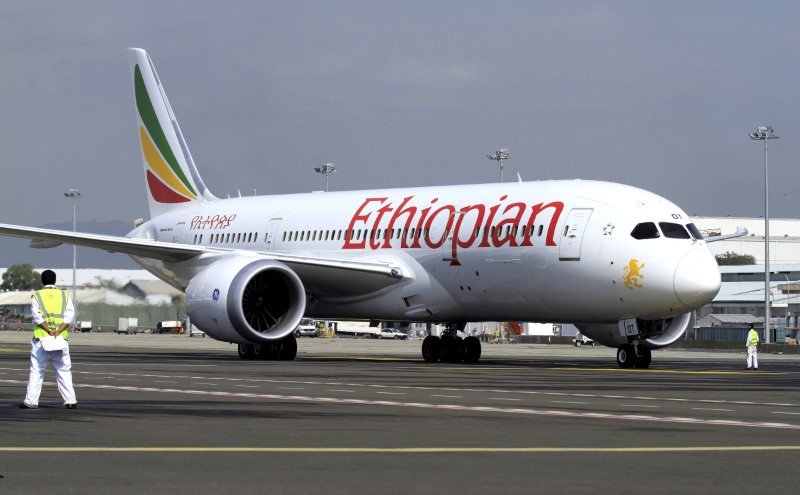
Ethiopian Airlines is the most operationally sophisticated carrier on the continent and one of the few African airlines with genuine global standing, a modern fleet, a functioning frequent flyer programme, and the kind of institutional credibility that attracts serious financing partners. When its CEO puts in writing, to the programme’s continental champion, that Ethiopian intends to participate, the IATP acquires something that a $7 billion figure alone cannot provide: industry alignment from the carrier most capable of demonstrating what African aviation can actually look like at scale.
That alignment matters for the distribution argument TDN made in May. Ethiopian is already among the more advanced African carriers on NDC and direct retailing. Its participation in any IATP-linked fleet or infrastructure programme would bring with it a set of commercial and technology expectations that will influence how other carriers approach the same decisions. The airlines that follow Ethiopian’s lead into a more capitalised, more connected African aviation market will be making distribution choices at the same time. The technology and distribution vendors operating in this space should be paying attention to who Ethiopian is working with and what standards it is setting.
The broader picture has not changed. The IATP remains a commitment of intent, and African aviation has a long record of policy ambition that has not translated into structural change. But the Brazzaville signing and the Ethiopian letter together represent something qualitatively different from an institutional announcement in isolation. They suggest that the programme has political ownership at the ministerial level and commercial recognition from the continent’s benchmark carrier. That combination is rarer than it sounds.
TDN will continue tracking how the IATP develops, which national compacts follow Nigeria’s, and what the distribution and technology implications look like as the programme moves from announcement to execution.