
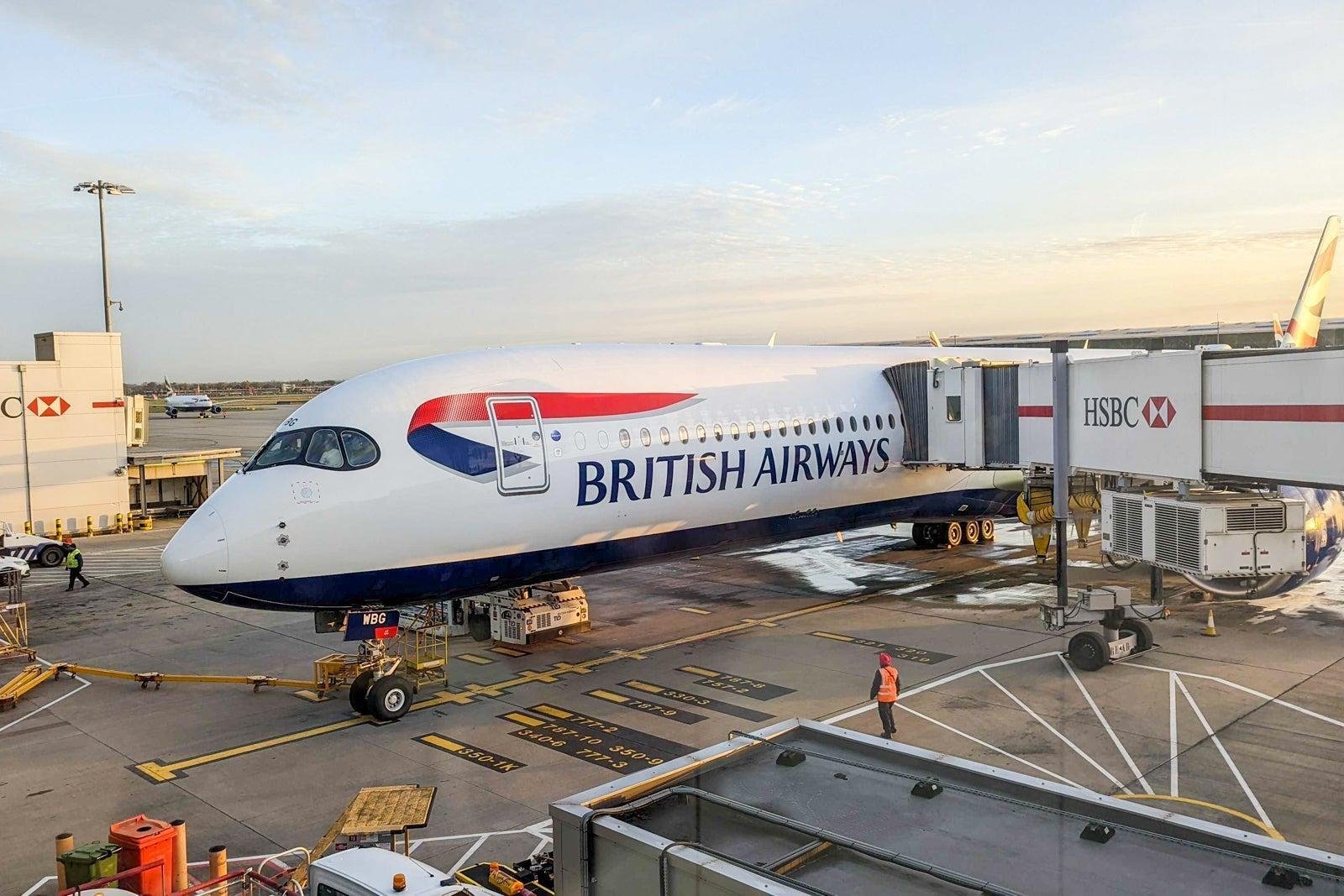
British Airways is moving its NDC distribution off the in-house schema it has run for years and onto Amadeus Altéa NDC, built on the IATA 21.3 standard. The airline announced the shift in a guest post published on the Amadeus blog in late June, framing it as a foundational step inside its wider 7 billion pound transformation programme.
The move matters less for the schema version number than for what it signals. British Airways has spent more than a decade building and maintaining its own NDC implementation, a program it refers to internally as 17.2, named for the older IATA release it was built against. That approach let BA move early and shape its own roadmap. It also meant the airline was carrying the ongoing cost of maintaining a bespoke distribution layer while GDS and NDC standards kept evolving around it. Choosing to fold that work into Amadeus Altéa NDC, a product natively integrated with the Altéa passenger service system BA already runs, is an admission that owning the full stack was no longer the more efficient path.
This is not a new relationship. British Airways selected Amadeus as its Offer and Order technology partner in April 2024, when the two companies announced a partnership built around Amadeus Nevio, described at the time by Amadeus EMEA managing director Maher Koubaa as a milestone for the industry. The Altéa NDC migration is best read as the operational follow-through on that commitment, the point where a strategic partnership becomes a live distribution channel with real onboarding implications for agencies.
For travel sellers, BA is promising three specific improvements: faster onboarding through an established, standardised environment; lower operational effort thanks to more consistent data and harmonised workflows; and more complete post-booking servicing, including exchanges, re-shopping, name changes, and synchronised order updates. That last point is the one worth watching closely. Post-booking servicing has been one of NDC’s most persistent weak spots industry-wide, the gap that gives agencies a legitimate reason to keep booking through EDIFACT even as airlines push surcharges to discourage it. If BA’s move onto a PSS-native NDC product measurably closes that gap, it will be one of the more concrete data points yet in the debate over whether NDC servicing is catching up to what legacy GDS channels have offered for decades.
What the announcement does not say is also worth noting. There is no published go-live date for the migration, no detail on how existing agency connections to BA’s 17.2 program will transition, and no mention of whether this changes anything about British Airways’ current GDS or EDIFACT surcharge posture. Given how central surcharge escalation has been to the NDC story elsewhere this year, from Air France-KLM’s repeatedly delayed EDIFACT surcharge increase to Air Europa’s new Distribution Channel Fee, that silence is notable. A technology migration of this scale does not automatically change commercial terms, but airlines have increasingly used exactly this kind of infrastructure moment to also revisit pricing. Whether BA follows that pattern is an open question, not a confirmed fact, and it should be treated as one until BA or Amadeus says otherwise.
The broader context is a GDS and PSS landscape where all three major providers are repositioning away from the legacy per-segment fee model. Amadeus has been rebuilding its airline retailing stack around Nevio and pushing search infrastructure improvements, including a machine learning filter that Air France-KLM has used to cut a majority of unproductive NDC queries. Sabre is pursuing outcome-based commercial models tied to its Mosaic retailing platform. Against that backdrop, British Airways adopting Amadeus’s native NDC product rather than continuing its own build is a vote for the vendor-consolidated version of modern retailing over the airline-built one, at least for this layer of the stack.
For a newsroom tracking distribution economics, the useful next step is direct confirmation from Amadeus or British Airways on the migration timeline and on whether existing agency incentive arrangements carry over unchanged. Until that is available, this should be reported as a strategic and technical shift with a stated rationale, not as a story about pricing, since nothing in the public record yet supports a pricing claim either way.